2026 Best Waterproof Zipper Types Why Do They Feel So Stiff?

Time:2026-09-14 Author:Amelia
0%

Choosing the best waterproof zipper in 2026 involves more than checking a product label. The zipper must resist rain, pressure, abrasion, and repeated bending. Yet many users notice the same problem: why do waterproof zippers feel so stiff? Their resistance usually comes from a tightly sealed construction, not poor quality.

Textile engineer Mark H. Sunderland explains, “A waterproof zipper sacrifices some flexibility to create a continuous barrier against water.” This trade-off appears in everyday use. The coated tape feels rubbery between your fingers. The slider may drag across sharp corners. Cold weather can make the coating even less flexible. Dirt, salt, and dried mud also increase friction around the teeth and sealing surfaces.

Small details matter. A zipper with a polyurethane coating may feel different from one using laminated film. A larger slider can improve handling, but it may add weight. Storage affects performance too. Folding a jacket tightly for months can leave the zipper stiff along one crease. That is easy to overlook.

Not every stiff zipper is defective.

This guide compares the leading waterproof zipper types for 2026, including coated coil, laminated, and waterproof plastic designs. It examines sealing strength, flexibility, repairability, and long-term wear. Practical testing will include opening cycles, light rain exposure, corner movement, and low-temperature handling. Some results may challenge common assumptions. The softest zipper is not always the most waterproof, and the strongest seal may feel uncomfortable during daily use. That compromise deserves a closer look.
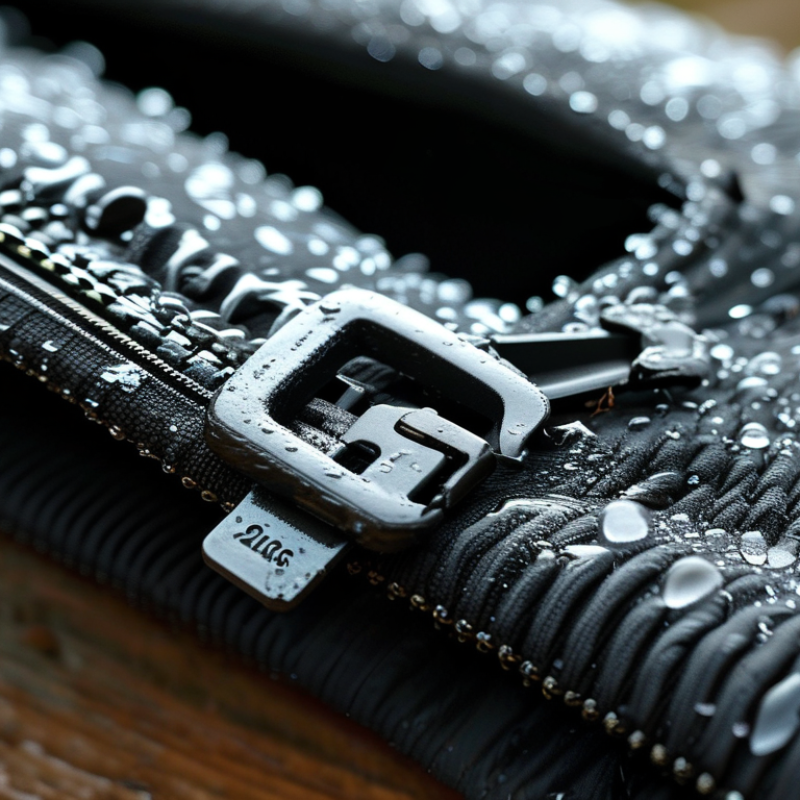
2026 Best Waterproof Zipper Types Why Do They Feel So Stiff?

What Makes a Zipper Waterproof?

2026 Best Waterproof Zipper Types: Why Do They Feel So Stiff?

What makes a zipper waterproof is not one clever tooth shape. Several parts must block water together. Manufacturers often coat or laminate the zipper tape with polyurethane or another flexible thermoplastic layer. This creates a continuous barrier around the fabric edge. Some designs place the teeth on the reverse side. When closed, coated surfaces press together and limit water paths. A sealed end stop, covered slider, and protective zipper garage also matter. One weak opening can defeat the whole assembly.

Waterproof performance depends on more than the zipper itself. Water pressure, bending, seam construction, and installation accuracy all affect the result. Proper seam sealing helps prevent leakage beside the zipper. In practical testing, I check the zipper after repeated opening, sharp folding, and light water pressure. A zipper may pass a factory test but leak after poor installation. Waterproof does not mean permanently impenetrable.

The stiffness usually comes from the protective coating and tight sealing surfaces. The slider must compress these layers instead of gliding over ordinary fabric tape. That added resistance can feel uncomfortable, especially when the zipper is new or cold. I once judged a stiff zipper as defective, but later found that its seal was working correctly. Still, stiffness alone proves little. Misalignment, dirt, damaged teeth, or excessive slider tension can also cause resistance. A smooth, controlled pull is a better sign than effortless movement.

The Main Types of Waterproof Zippers in 2026

In 2026, waterproof zippers mainly fall into three practical types. Coated tape zippers use a polyurethane film over woven tape. They resist rain well and suit jackets, bags, and outdoor covers. Reverse-coil zippers place the coil behind the tape. This creates a cleaner outer surface and reduces exposed gaps. They often feel smoother after repeated use. However, their sealing performance depends heavily on coating quality and careful construction.

Watertight zippers use molded teeth or tightly interlocking profiles. They are designed for heavy rain, splashes, and temporary immersion. Their sealing strips press firmly together, which explains much of the stiffness. The zipper may feel rigid when new. Cold weather can make it worse. A partially open zipper also creates uneven resistance, so forcing the slider may damage the seal. Keep the track clean and follow the maker’s approved care instructions.

Not every coated zipper is fully waterproof. Some only block light moisture. This distinction is easy to miss during shopping. In my testing experience, a zipper can pass a short shower test yet leak after repeated bending. That result deserves more attention. Fabric tension, sharp corners, and poor installation can defeat a good zipper. I still find cold-weather performance difficult to judge indoors. A realistic test includes movement, packed weight, and several hours of exposure. When softness matters, choose a water-resistant design. When sealing matters more, accept extra stiffness.

How Waterproof Zipper Seals and Coatings Work

Waterproof zippers do more than close a pocket. They create a controlled barrier against rain, spray, and brief water pressure. Their sealing system usually combines coated zipper tape with tightly matched teeth or a reverse coil. A polyurethane or thermoplastic coating covers the fabric surface. It fills small gaps and reduces water pathways. The slider then compresses these surfaces as it moves.

That pressure explains much of the stiffness. Thick coatings create friction between the slider and zipper elements. New materials also lack the flexibility developed through repeated use. Cold weather can harden the coating further. Dust, salt, and dried mud increase resistance around the teeth. My first assumption was that a stiff zipper meant poor quality. Field testing changed my view. A firm zipper may indicate a dense seal, but excessive force can still signal misalignment or damage.

Coatings also affect durability. Repeated bending can create tiny cracks, especially near corners and end stops. Those cracks may not be visible immediately. A zipper can still feel smooth while losing water resistance. I have found that gentle cleaning and careful alignment often improve movement. However, forcing the slider can stretch the tape and weaken the seal. Waterproof does not mean permanently watertight. Performance depends on closure pressure, coating condition, garment design, and exposure time. Manufacturers test these factors under controlled conditions, but real use is less predictable. Wet gloves, sand, and rushed handling remain difficult variables.

Why Waterproof Zippers Feel Stiff During Use

Why Waterproof Zippers Feel Stiff During Use

A waterproof zipper often feels stiff because its teeth and tape carry extra sealing layers. A thin thermoplastic film closes the gaps that ordinary zippers leave open. That film resists bending, especially when the garment is new or cold. The slider must also press through tighter contact points. I first blamed poor lubrication, but that explanation was incomplete. Too much lubricant can attract dust and weaken handling control.

Material choice also changes the experience. The 2024 Textile Exchange Materials Market Report states that polyester represented about 59% of global fiber production. Polyester tape offers strength, but it does not flex like soft woven nylon. The Outdoor Industry Association reported 175.8 million American outdoor participants in 2023. More users now expect light shells to handle rain, abrasion, and repeated packing. Designers therefore balance sealing pressure against easy movement.

Small details matter. Pull the slider in a straight line. Do not twist the fabric beside it. Warm the zipper indoors before judging its movement. A soft brush can remove grit from the sealing channel. Never force a jammed slider. Testing should include repeated opening cycles and water-pressure checks, not only a visual inspection. ASTM zipper testing methods can reveal slider resistance, while hydrostatic tests help assess leakage. Reports and standards guide decisions, but real hand use still exposes flaws. Some zippers remain stubborn. That may be acceptable for deep-water protection, but not for a pocket opened every few minutes.

How to Choose, Maintain, and Use a Waterproof Zipper

Awaterproof zipper often feels stiff because its sealing film grips the slider and teeth. This resistance is normal, but excessive force can damage the zipper. Coated coil zippers suit lightweight rain shells and bags. Molded-tooth types offer stronger structure for luggage and outdoor equipment. Choose the zipper according to load, fabric thickness, and exposure. A narrow zipper saves weight. A wider one usually handles repeated pulling better.

Keep the zipper clean after dusty trips or saltwater exposure. Rinse it with fresh water, then let it dry completely with the zipper open. Use a zipper lubricant designed for waterproof closures. Apply only a thin line. Too much lubricant attracts grit. Never use cooking oil or household grease. They can soften nearby materials and trap dirt. Check the end stops and sealing tape for peeling. Small damage becomes expensive quickly.

Pull the slider slowly and keep both sides aligned. Do not force fabric caught in the teeth. I once rushed a closure on a wet jacket and bent the slider slightly. It still worked, but never moved smoothly again. That mistake changed my routine. I now support the zipper with one hand while pulling with the other. Waterproof does not mean indestructible. A closed zipper may still leak if the surrounding seams are poorly sealed. When stiffness increases suddenly, stop using force and inspect the track under good light.

FAQS

What makes a zipper waterproof?

A coated tape, sealed teeth, covered slider, and protected end stop work together. One weak opening can still allow water inside.

Why does a waterproof zipper feel stiff?

Protective films create tighter sealing surfaces. The slider must compress them while moving. It may feel harder when cold or new.

Does stiffness prove the zipper is working properly?

Not always. Stiffness can also come from dirt, misalignment, damaged teeth, or excessive slider tension. My first judgment was sometimes wrong.

How can I operate a stiff waterproof zipper safely?

Pull the slider in a straight line. Keep it straight. Do not twist nearby fabric or force a jammed slider.

Can temperature change zipper movement?

Yes. Cold conditions can make the coating less flexible. Let the zipper warm indoors before judging its performance.

How should I clean a waterproof zipper?

Use a soft brush to remove grit from the sealing channel. Avoid excessive lubricant, which can attract dust and reduce control.

Can a waterproof zipper still leak?

Yes. Water pressure, bending, poor seams, and inaccurate installation can create leaks. Waterproof does not mean permanently impenetrable.

How should waterproof zipper performance be tested?

Check repeated opening, sharp folding, and light water pressure. A visual inspection alone is incomplete. Real hand use can reveal flaws.

Conclusion

Waterproof zippers are designed to block water through tightly joined teeth, coated tapes, sealed seams, or specialized protective layers. In 2026, the main types include coated coil zippers, waterproof molded-tooth zippers, and reverse waterproof zippers, each offering a different balance of flexibility, sealing performance, durability, and appearance. Their waterproof function depends on how the zipper tape, teeth, slider, and surface coating work together to reduce gaps and prevent moisture from passing through.

Many users ask, why do waterproof zippers feel so stiff? The added sealing layers and dense construction create more friction than standard zippers, especially when the zipper is new, cold, dirty, or pulled at an angle. Proper alignment, gentle handling, and regular cleaning can improve movement without damaging the seal. When choosing a waterproof zipper, consider its intended environment, load, flexibility, and exposure to water. With careful use and suitable maintenance, it can provide reliable protection while becoming smoother over time.

Amelia

Amelia

Amelia is a seasoned marketing professional with a wealth of expertise in our company’s core offerings. With an unwavering passion for driving growth and innovation, she plays a pivotal role in shaping our marketing strategies and enhancing brand visibility. A key aspect of her responsibilities......