In the world of global sourcing, selecting high-quality zippers is crucial for product durability and customer satisfaction. According to a report by the International Zipper Association, about 30% of product returns are linked to zipper failures. This statistic underscores the importance of understanding how to tell if a zipper is high quality. Expert zipper designer, Jane Doe, states, “A high-quality zipper is defined by its smooth operation and robust materials.”
Factors such as material, construction, and brand reputation significantly impact zipper quality. Common signs of a superior zipper include a sturdy pull tab and a flawless alignment of teeth. Additionally, zippers that feature corrosion-resistant finishes tend to offer enhanced longevity. Many buyers overlook these details, leading to potential issues later on.
In a fast-paced market, navigating through zipper options can feel overwhelming. It's essential to evaluate suppliers' certifications and seek customer feedback. The reality is that not all zippers are created equal. Ensuring quality may require extra effort, but it leads to better products and satisfied customers. Recognizing these key attributes helps in making informed decisions.
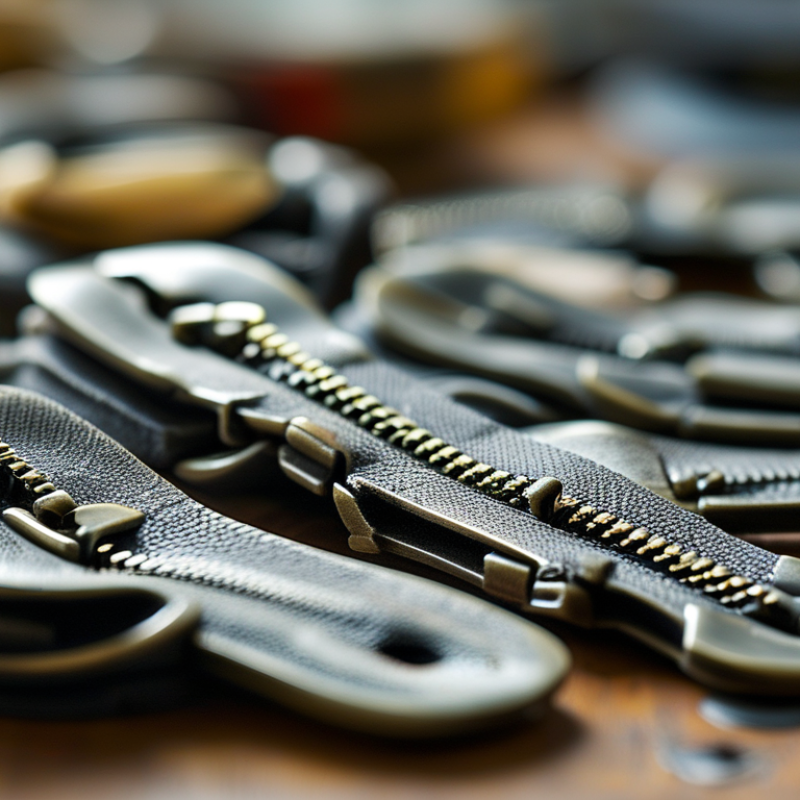
When sourcing zippers globally, understanding their quality is essential. A high-quality zipper not only enhances the end product, but it also ensures durability and functionality. Various factors contribute to zipper quality, including materials, manufacturing processes, and design features.
Look for zippers made with robust materials like nylon or metal. These zippers usually withstand wear and tear better than weaker alternatives. Pay attention to the construction as well. Seams should be tight and even, without fraying or gaps that can lead to malfunction. Inspecting the zipper pull can also reveal a lot about its performance; a sturdy pull is less likely to break.
Tip: Test the zippers before bulk ordering. Open and close them multiple times to assess the smoothness and strength.
Moreover, be aware of the different types and their applications. Not every zipper suits every project. For instance, waterproof zippers are crucial for outdoor gear but may not be necessary for fashion items. It’s valuable to reflect on specific needs and intended uses to choose the right zippers.
Tip: Research various suppliers and read reviews. This can help identify reputable manufacturers who prioritize quality.
When sourcing high-quality zippers, understanding the materials is crucial. Zippers made from metal, plastic, or nylon all serve different purposes. Metal zippers are strong and durable, often seen in jeans and bags. They provide a classic aesthetic but can be heavy. Plastic zippers, on the other hand, are lightweight and corrosion-resistant. They are commonly used in outerwear and tents, offering versatility in various settings.
Nylon zippers are known for their flexibility. They are often found in luggages and softshell jackets. The quality of the zipper often relies on the type of nylon used. A finer nylon can enhance smooth operation, while cheaper versions may lead to snags. The teeth construction plays a significant role too. Larger teeth provide strength, while smaller ones offer a more discreet appearance.
It's essential to consider the zipper's pull tab as well. A sturdy pull tab made from a durable material can improve usability significantly. However, be cautious of overly intricate designs. They may seem appealing, but they can often fail under stress. Often overlooked, the box and pin—the mechanism that helps secure the zipper—should also be durable. Investing in quality materials can save time and resources in the long run.
When sourcing high-quality zippers, it's essential to focus on their construction techniques. Durable zippers often feature robust materials and precise craftsmanship. For example, zippers made from quality nylon resist wear and tear better than cheaper alternatives. Look for zippers with anti-jamming mechanisms for smoother operation.
The stitching and the alignment of teeth play a critical role in zipper performance. Zippers that are stitched tightly show better resilience against pulls and stress. Check the teeth; those that are molded rather than stamped generally offer enhanced durability. They can handle greater pressure without breaking or misaligning. Test the zipper's movement; it should glide effortlessly without snagging.
Reflecting on sourcing practices, many overlook the importance of the zipper's quality in their final product. It's not enough to simply choose zippers based on price. Understanding the construction details can save future headaches during production. As markets evolve, so should your approach in selecting zippers that embody both function and longevity. Consider the overall performance, not just aesthetics.
Finding reliable manufacturers for quality zippers in global markets is a complex task. Start by checking the manufacturer's experience. Look for companies with over five years in the industry. They are likely to understand quality standards and customer expectations. A strong track record often indicates a commitment to excellence.
Request samples before making larger purchases. This helps assess the zipper's durability and usability. Spend time examining the stitching and material. Don’t overlook small details, as they often reflect the overall quality. Additionally, read customer reviews to gain insights into their reputation. Trustworthy manufacturers should have positive feedback and a clear communication line.
Consider visiting factories if possible. Meeting manufacturers in person allows you to see their operations firsthand. Ask about their quality control processes. A diligent approach to quality checks is crucial. While it may seem challenging to find the right partner, the effort pays off. Quality zippers lead to satisfied customers and successful products.
| Quality Indicator | Description | Importance Level | Recommended Action |
|---|---|---|---|
| Material Durability | Assess the resistance of zipper materials to wear and tear. | High | Request sample materials for examination. |
| Zipper Teeth Alignment | Check for proper alignment of teeth for smooth operation. | Medium | Conduct operational tests on zippers. |
| Yardage Control | Ensure that there are consistent and adequate fabric allowances. | High | Audit supplier processes for quality control. |
| Plastic vs. Metal | Evaluate the appropriate zipper type based on product requirements. | Medium | Identify the best material for intended use. |
| Supplier Certifications | Confirm manufacturers adhere to industry standards. | High | Request documentation of certifications. |
When sourcing zippers globally, evaluating their performance is essential. Several testing methods exist. These methods allow for a precise understanding of the zipper's strength, durability, and overall functionality. A report by the ASTM International emphasizes the importance of tensile strength tests, which measure the force required to pull the zipper apart. The results here are crucial for items subjected to heavy use.
Another critical standard is the water resistance test. Zippers are often used in outdoor equipment. According to the International Organization for Standardization (ISO), zippers must withstand water penetration during a simulated rain. This adds complexity to zipper selection as many manufacturers may overlook this factor. Inconsistent testing can lead to quality issues that affect end-users down the line.
Moreover, it's important to consider the manufacturing process. Not all zippers are created equal. Frequent reports indicate that zippers from different regions may vary significantly in quality. For instance, zippers made with high-quality plastic often outperform their metal counterparts in certain applications. Additionally, the usage of subpar materials can result in defects over time. Ensuring that each zipper meets established quality standards is an ongoing challenge for suppliers.
: High-quality zippers are made from metal, plastic, or nylon. Each serves different purposes and has unique qualities.
Metal zippers are strong and durable. They are often used in jeans and bags for their classic look.
Plastic zippers are lightweight and corrosion-resistant. They are commonly used in outerwear and tents, offering versatility.
The type of nylon used impacts zipper quality. Finer nylon provides smooth operation, while cheaper versions may snag.
A sturdy pull tab improves usability. Avoid intricate designs, as they may fail under stress.
The box and pin secure the zipper. Their durability is crucial for long-term usability and reliability.
Check manufacturers’ experience, ideally over five years. This suggests they understand quality standards and customer needs.
Yes, requesting samples helps assess durability and usability. Inspect stitching and materials for quality details.
If possible, visit factories to observe operations and ask about quality control processes. It's an important consideration.
Identifying high-quality zippers is crucial for global sourcing, and understanding the fundamentals of zipper quality is the first step. A high-quality zipper typically utilizes superior materials, such as robust nylon or metal, which enhance durability and performance. Additionally, analyzing zipper construction techniques, including stitching and alignment, reveals a lot about its longevity.
When sourcing zippers internationally, it's important to identify reliable manufacturers who adhere to stringent quality standards. Evaluating zipper performance through various testing methods can help in determining how to tell if a zipper is high quality. By focusing on these aspects, sourcing professionals can ensure they select zippers that not only meet aesthetic demands but also perform reliably in various applications.

Gemify zipper