Metal zippers are often overlooked, yet they play a crucial role in our daily lives. However, one issue that arises frequently is corrosion. So, what causes a metal zipper to corrode? This problem can stem from various factors, including moisture, exposure to salt, and improper care. Understanding these causes is essential for anyone looking to maintain zippers effectively.
Metal zippers are often made from brass or aluminum. These materials, while durable, are susceptible to rust and tarnish. For instance, prolonged exposure to humidity can lead to oxidation. Similarly, saltwater can accelerate corrosion, particularly in coastal areas. Over time, these elements can lead to zipper malfunction and aesthetic decline.
To combat these issues, preventive measures are vital. Regular cleaning and proper storage can significantly extend the life of your metal zippers. Using a protective lubricant can also help. Yet, even with the best care, some zippers may still experience corrosion. It's crucial to reflect on your care routine and adapt it to your environment for optimal results.
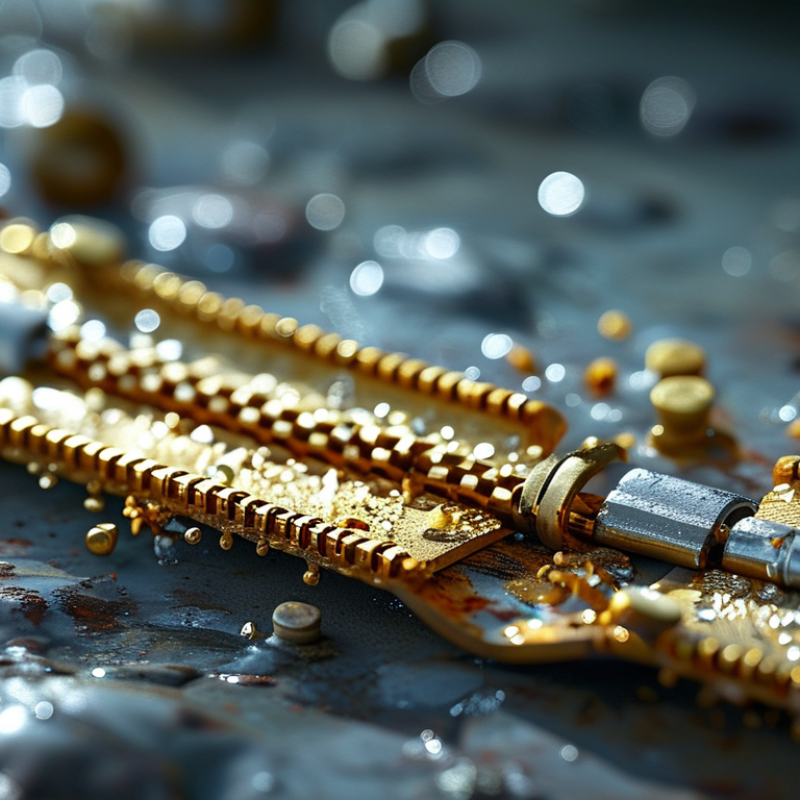
Causes of Metal Zipper Corrosion: Understanding the Factors
Metal zipper corrosion is a common issue, often caused by environmental factors. Exposure to moisture is a key contributor. Humidity can lead to rust formation, especially on metal zippers like those made of steel or brass. Saltwater is another enemy, particularly in coastal areas. It accelerates corrosion, causing zippers to seize or break down. Even the oils from hands can lead to deterioration over time.
Proper care can mitigate these issues. Regular cleaning of zippers helps remove grime and moisture. Using a silicone-based spray can create a protective barrier. It's essential to store items in dry places, away from humidity. One must also avoid exposing zippers to harsh chemicals. Reflecting on these practices can enhance the longevity of your zippers. Each small step taken can prevent significant problems in the future.
Types of Metal Zipper Corrosion: Galvanic, Pitting, and Tarnishing
Metal zipper corrosion can manifest in various forms, primarily galvanic corrosion, pitting, and tarnishing. Galvanic corrosion occurs when two dissimilar metals are in contact in the presence of an electrolyte. This situation accelerates the erosion of one metal, often leading to functional failures. A study in the *Journal of Materials Science* noted that approximately 60% of metal zipper failures stem from galvanic interactions. Thus, choosing compatible metals is crucial for longevity.
Pitting corrosion is another prevalent issue. It is characterized by localized corrosion that leads to small pits on the metal's surface. Factors influencing pitting include moisture, salt exposure, and the metal's alloy composition. A report from the *Corrosion Engineering Committee* revealed that pitting can reduce the structural integrity of zippers by up to 30% over time. Prevention methods include using protective coatings on metal surfaces and regularly inspecting zippers for early signs of damage.
Tarnishing is a less severe but visually damaging form of corrosion. It affects the appearance of zippers made from metals like brass or silver, leading to a dull finish. Tarnishing is often accelerated by humidity and pollution. While tarnish does not compromise functionality, it creates aesthetic concerns. Regular cleaning and storage in dry conditions can mitigate tarnishing effects, preserving both function and appearance. These corrosion types highlight the importance of understanding materials to effectively protect metal zippers.
What Causes Metal Zipper Corrosion and How to Prevent It?
| Type of Corrosion |
Description |
Causes |
Prevention Methods |
| Galvanic Corrosion |
Occurs when two different metals are in contact in the presence of an electrolyte. |
Contact with dissimilar metals, water, or salty environments. |
Use of metals with similar electrochemical activity, and proper insulation between different metals. |
| Pitting Corrosion |
Localized corrosion leading to the creation of small holes or pits in the metal. |
Presence of aggressive ions, such as chloride in water. |
Regular cleaning, using corrosion-resistant materials, and applying protective coatings. |
| Tarnishing |
A chemical reaction causing a thin layer of corrosion to form on the surface of the metal. |
Exposure to air, moisture, and pollutants. |
Use of protective finishes, regular maintenance, and storing in a dry environment. |
Environmental Factors Contributing to Zipper Corrosion
Zipper corrosion is a common issue, often caused by environmental factors. Humidity plays a significant role. When zippers are exposed to high humidity, moisture can accelerate corrosion on the metal parts. A study by the American Institute for Corrosion reveals that corrosion rates increase dramatically with humidity levels above 60%. This suggests that storage in humid areas can lead to faster deterioration of zippers.
Another important factor is salt exposure. Areas with high salt concentration, like coastal regions, can be particularly harmful. Salt accelerates the oxidation of metal zippers, leading to a quicker decline in their functionality. The National Oceanic and Atmospheric Administration reported that the corrosive effects of saltwater can be 10 times more severe than those of freshwater. This underscores the need for preventive measures, especially for products used in these environments.
Additionally, pollutants in the air can contribute to corrosion. Industrial areas, where sulfur dioxide and other corrosive agents are prevalent, can pose threats to zippers. A report from the U.S. Environmental Protection Agency indicates that these pollutants can initiate chemical reactions that exacerbate wear. Protecting zippers from these environmental elements is crucial for maintaining their integrity.
Factors Contributing to Metal Zipper Corrosion
Preventive Measures for Metal Zipper Maintenance and Care
Metal zippers are susceptible to corrosion due to moisture, salt, and environmental conditions. Regular maintenance can significantly enhance their lifespan. A study by the Textile Research Institute found that improper care leads to 50% of zipper failures. Simple preventive measures can help avoid these issues.
To maintain metal zippers, keep them clean and dry. Use a soft cloth to wipe away dirt and moisture. A diluted vinegar solution can effectively remove rust. Additionally, applying a thin layer of lubricant can create a protective barrier. Experts recommend silicone-based lubricants for their durability. This practice helps minimize friction and prevents grime buildup.
Avoid exposing metal zippers to harsh chemicals. These substances can accelerate corrosion. For those living in coastal regions, salt air can be particularly damaging. Rinsing zippers with fresh water after exposure to salt can prevent corrosion. Ensure you regularly check your zippers for signs of wear. Little actions can make a big difference in their longevity.
Selecting Corrosion-Resistant Zippers: Materials and Coatings
Choosing the right zipper material is essential for preventing corrosion. Metals like brass or aluminum can rust when exposed to moisture. For coastal areas, salt can accelerate this process. A thoughtful selection of zippers will enhance durability and extend the life of your products.
Corrosion-resistant coatings play a crucial role. Various finishes, such as anodization or galvanization, can protect the metal underneath. These coatings create a barrier against environmental elements. It's important to consider the intended use of the zipper. Frequent exposure to water or harsh conditions requires more resilient options.
Not all zippers are made equal. Some may promise durability but fail in practice. Inspecting the materials and their treatment is vital. Look for user reviews or industry feedback before making your choice. Remember, zippers are small details that impact the overall quality of your items. Neglecting their importance may lead to bigger issues down the line.
FAQS
: Moisture, humidity, and saltwater are primary causes of metal zipper corrosion.
Humidity can lead to rust formation on metal zippers, especially steel and brass types.
Use a soft cloth to wipe away dirt and moisture regularly.
A diluted vinegar solution effectively removes rust and helps prevent it from forming.
Silicone-based lubricants are recommended for their durability and effectiveness.
Avoid exposing zippers to harsh chemicals, as they can accelerate corrosion.
Salt air in coastal areas can damage zippers, leading to faster corrosion rates.
Regularly cleaning, protecting from moisture, and checking for wear can enhance zippers' lifespan.
Store items with zippers in dry places to protect them from humidity and moisture.
Regular cleaning removes grime and moisture, preventing significant problems over time.
Conclusion
Metal zipper corrosion is a common issue influenced by various factors. Understanding what causes a metal zipper to corrode involves recognizing types like galvanic corrosion, pitting, and tarnishing, which occur under different conditions. Environmental factors, such as exposure to moisture, salt, and chemicals, exacerbate these forms of corrosion and lead to deterioration over time.
To combat zipper corrosion effectively, preventive measures should be employed. Regular maintenance and care, including cleaning and drying zippers thoroughly, can help prolong their lifespan. Additionally, selecting corrosion-resistant zippers made from suitable materials and coatings is crucial for ensuring durability in challenging environments. By being proactive in zipper maintenance, one can minimize the risk of corrosion and enhance the longevity of metal zippers.

 Gemify zipper