Why is my resin zipper stuck? This question often appears when a jacket, backpack, or luggage zipper suddenly refuses to move. Resin zippers use molded plastic teeth, so they feel different from metal zippers. Their teeth can warp, collect dust, or lose alignment after repeated pulling. Fabric may also slip beneath the slider. The problem looks small, but force can damage the entire zipper.
According to zipper repair specialist Mark Ellison, “A stuck zipper usually signals pressure, misalignment, or trapped material.” This practical observation matters. Pulling harder rarely solves the cause. It may split the slider, break the teeth, or tear the surrounding fabric. Look closely under bright light. Check for loose threads, bent teeth, dried mud, and a slider sitting at an angle. A soft toothbrush can remove surface debris. A small amount of zipper-safe lubricant may help the slider move smoothly. Avoid cooking oil, harsh solvents, and sharp tools.
The repair process should remain gentle. Release tension from the garment before moving the slider. If fabric is trapped, pull it sideways while easing the slider backward. Do not yank. Sometimes the zipper appears stuck because the bag is overfilled. Emptying it can immediately reduce pressure. Still, not every zipper can be saved at home. A damaged slider or missing tooth may require replacement by a qualified repair professional.
There is room for caution here. I once underestimated a tiny thread and made the snag worse. Patience matters. This guide explains why is my resin zipper stuck, what you can safely try, and when professional repair is the wiser choice.
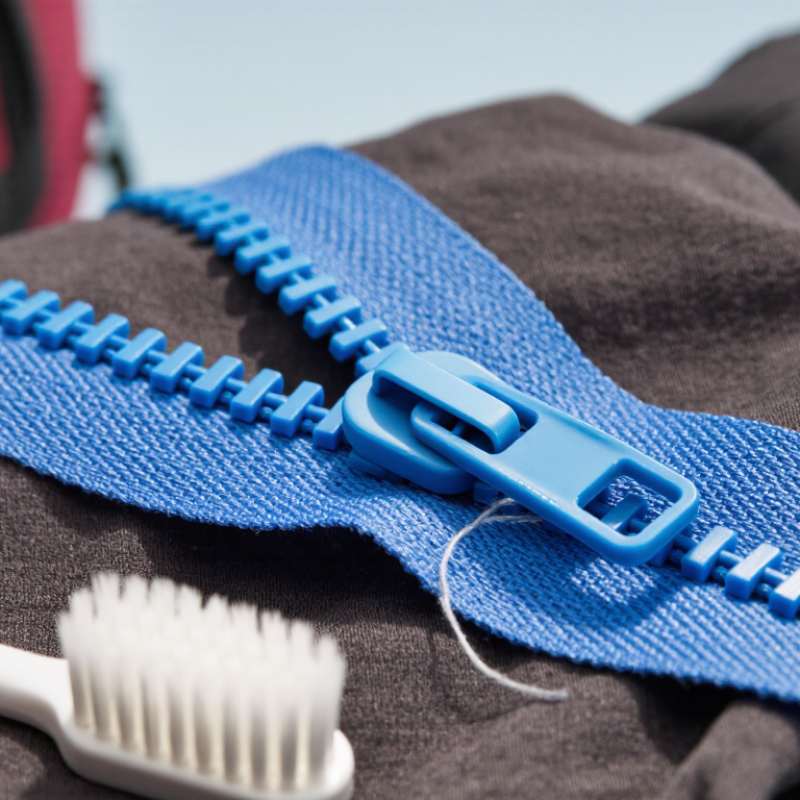
Why Is My Resin Zipper Stuck? How to Fix It
A stuck resin zipper usually has a simple mechanical cause. Fabric may be trapped inside the slider, or the teeth may be misaligned. Dust, dried detergent, and sand can also increase friction. Resin teeth may deform after heat exposure, rough washing, or repeated overloading. The slider itself can become slightly compressed, making movement uneven. I have seen a zipper look broken when only its tape was twisted. That detail is easy to miss.
Start by stopping the pull. Forcing it can tear the tape or separate the teeth. Gently move trapped fabric backward with tweezers. Clean the teeth using a soft, dry toothbrush. Then apply a small amount of zipper lubricant, beeswax, or plain soap. Avoid oil-based products, which may stain fabric and attract dust. If the slider moves but the zipper reopens, its grip may be loose. A trained repair technician can adjust or replace the slider without replacing the entire garment. The Ellen MacArthur Foundation reports that doubling clothing use could reduce greenhouse-gas emissions by 44%, so careful repair has measurable value. Textile Exchange’s 2024 Materials Market Report also recorded global fiber production at about 124 million tonnes in 2023.
Tips: Close the zipper before washing. Keep heavy contents below the zipper line. Test a lubricant on hidden fabric first. A small mistake remains possible: some warped resin teeth cannot be restored safely.
A stuck resin zipper usually has a visible mechanical cause. Begin by placing the item on a flat surface under bright light. Do not pull the slider hard. That can bend the teeth or damage the fabric tape.
Inspect both rows of teeth from top to bottom. Look for missing teeth, uneven spacing, dirt, thread, or a tooth pressed inward. Check the slider opening as well. It should sit evenly over both rows. If one side looks higher, the zipper may be misaligned. Examine the end stop and nearby stitching for looseness. A small flashlight helps. A magnifying glass helps more.
Look closely. Do not guess.
I once blamed the slider, but a loose thread was trapped inside it. Remove dust with a soft brush and lift threads with blunt tweezers. Never cut the tape while clearing debris. If the teeth are only slightly misaligned, move the slider backward gently, then realign the rows by hand. A small amount of suitable zipper lubricant may reduce friction, but test it on a hidden area first. Oil can stain some fabrics and attract more dirt. If teeth are missing, the slider is cracked, or the tape is torn, repeated pulling will not solve the problem. In that case, replacing the damaged component is usually more reliable. My first inspection was often too rushed; checking the entire zipper path prevents a minor fault from becoming permanent.
| Inspection Area | What to Check | Likely Problem | Recommended Fix | Risk Level |
|---|---|---|---|---|
| Zipper teeth | Look for dirt, fabric fibers, bent teeth, missing teeth, or teeth that do not align. | Debris or tooth misalignment is preventing the slider from closing the chain. | Brush away debris with a soft toothbrush. Gently realign minor bends with fine pliers. Do not force damaged teeth. | Medium |
| Slider movement | Check whether the slider moves smoothly, tilts sideways, or stops at the same location. | The slider may be twisted, worn, or squeezed too tightly around the teeth. | Apply a small amount of zipper-safe lubricant and move the slider gradually. Replace the slider if it remains loose or distorted. | Medium |
| Fabric near the zipper | Inspect both sides for lining, thread, or fabric caught inside the slider. | Trapped material is blocking the slider and may worsen if pulled quickly. | Stop pulling. Ease the fabric backward while moving the slider slightly in the opposite direction. Use tweezers for loose threads. | Medium |
| Lubrication | Check for dry, rough, or squeaking movement after cleaning. | Friction between the plastic teeth and slider is too high. | Use graphite, candle wax, or a product labeled safe for plastic zippers. Apply sparingly and wipe off excess. | Low |
| Zipper tape and stitching | Check whether the tape is rippled, stretched, detached, or sewn unevenly. | Uneven tension prevents the teeth from meeting correctly. | Reduce tension and close the zipper while the item is laid flat. Repair loose stitching or replace the zipper if the tape is distorted. | Medium |
| End stop and insertion pin | Inspect the bottom stop, pin, box, or end fitting for cracks, looseness, or deformation. | A damaged end component can keep the slider from entering or starting properly. | Do not force the slider. Replace the damaged end component or have the zipper professionally repaired. | High |
| Heat and chemical exposure | Look for softened, warped, cracked, or discolored resin teeth. | Excessive heat, harsh solvents, or incompatible cleaners may damage plastic components. | Stop using solvents and direct heat. If the teeth are warped or brittle, replace the zipper rather than forcing it. | High |
| Final function test | Test the zipper several times with the item relaxed and unloaded. | A zipper that works only without tension may fail again during normal use. | Close and open it slowly while keeping both sides aligned. Avoid overfilling or pulling at an angle. | Low |
Why Is My Resin Zipper Stuck? How to Fix It
A resin zipper can jam because of fabric, dust, bent teeth, or excessive tension. Check the slider and both zipper tracks under bright light. Do not yank it. I used to pull harder, but that often made the problem worse. Remove the garment from your body or bag before applying force. This reduces pressure and prevents accidental tearing.
Move the slider gently toward the open direction. If fabric is trapped, pull the fabric sideways while easing the slider backward. Use blunt tweezers to remove loose threads, but avoid sharp tools near the zipper teeth. Brush away dust with a dry, soft toothbrush. Then rub a small amount of plain candle wax or dry soap along both sides of the teeth. Work the slider back and forth by only a few millimeters. Slow movement helps distribute the lubricant evenly.
Still stuck?
Inspect the teeth again. One bent tooth can block the slider. Carefully straighten it with small pliers, using very light pressure. Stop if the resin bends, cracks, or turns white. A damaged slider may need replacement by a repair professional. Do not use oil, as it can attract dirt and stain nearby fabric. After fixing the zipper, close it gently and store the item without heavy pressure. My own weak point was skipping the inspection step; patience usually prevents a minor jam from becoming permanent.
Use the least aggressive method first. Stop pulling if the slider catches, because excessive force can separate the zipper teeth or damage the slider.
Chart note: The times shown are practical hands-on estimates for each method, not laboratory measurements. Always test the least forceful option first.
A stuck resin zipper usually has a simple cause: trapped fabric, dirt, or a misaligned slider. Examine the teeth under bright light. Check whether the tape is twisted or the slider is sitting at an angle. Do not yank the pull. That can bend the slider or tear the zipper tape. Remove lint with a soft brush, then wipe the teeth with mild soapy water. Let them dry completely. A small amount of silicone-based zipper lubricant may help the slider move smoothly. Use very little.
If the slider feels loose, gently press both sides with narrow pliers. Make tiny adjustments and test the zipper after each one. Too much pressure can lock it permanently. I have found that patience matters more than strength here. If the pull tab is broken, replace the tab with a compatible metal or resin accessory. If the slider is cracked, replace the entire slider. Measure the zipper width and match the replacement carefully. Sizes that look similar may still fail.
Missing or separated resin teeth are harder to repair. Individual teeth usually cannot be restored reliably. In that case, replace the zipper or have a qualified repair professional sew in a new one. Remove the top stop, slide off the damaged component, and install the replacement before securing a new stop. Check the garment several times. My first repair was not perfectly aligned, and the zipper reopened under light pressure. A final stitch inspection prevents that mistake.
A resin zipper usually sticks because lint, salt, dried detergent, or fabric enters the slider. Overpacking also bends the zipper tape and increases pressure on the teeth. Stop pulling. Move the slider backward gently, then brush the teeth with a soft, dry toothbrush. Use a small amount of silicone-based zipper lubricant, not cooking oil. Oil attracts dust and may soften nearby coatings. Check the slider afterward. It should travel smoothly without sideways force.
Prevention starts with storage habits. Keep the zipper clean and fully dry before closing the bag. Close it slowly while holding the tape flat. Do not trap thick fabric, cords, or labels inside. Leave space in packed cases. Textile Exchange’s Materials Market Report 2024 recorded 124 million tonnes of global fiber production in 2023, with polyester representing about 57 percent. That scale shows why synthetic textile care matters, although zipper performance still depends on construction and use. In my experience, a quick inspection prevents more failures than repeated lubrication. I sometimes overpack bags too, and that mistake is easy to miss.
Tips: Wipe the teeth after beach or gym use. Store the item unzipped. Test the slider monthly. If teeth remain misaligned, replace the slider rather than forcing it. A repair technician can check tape distortion and stitching. Avoid heat from irons or dryers near resin teeth; plastic components can deform before the damage looks obvious.
Fabric, dust, sand, or dried detergent may block the slider. Misaligned teeth can also increase friction.
Stop pulling immediately. Place the item flat under bright light and inspect the entire zipper path.
Move the trapped material backward with blunt tweezers. Never cut the zipper tape while clearing debris.
Use a soft, dry toothbrush to remove dust from both tooth rows. Check the slider opening carefully.
Apply a tiny amount of zipper lubricant, beeswax, or plain soap. Test it on hidden fabric first.
Oil may stain fabric and attract more dust. The zipper could become dirtier after a short time.
Move the slider backward gently. Realign both rows by hand, then try a slow, light pull.
Replacement is safer when teeth are missing, the slider is cracked, or the tape is torn. Repeated pulling will not repair damage.
Close the zipper before washing. Keep heavy contents below the zipper line and avoid overloading the garment.
No. Heat or rough washing may permanently deform some teeth. I sometimes inspect too quickly, so a careful second look matters.
Wondering “why is my resin zipper stuck”? Common causes include fabric caught in the slider, dirt or residue on the teeth, misalignment, excessive tension, or damaged zipper components. Begin by inspecting both sides carefully. Check whether the slider moves evenly, whether the teeth interlock correctly, and whether any teeth, tape, or pull tab appears bent or worn. Avoid forcing the zipper, as sudden pressure can worsen the damage.
To loosen it, gently move the slider backward while easing trapped fabric away with tweezers or a blunt tool. Cleaning the teeth and applying a small amount of zipper-safe lubricant may also help. If the slider is loose, bent, or unable to connect the teeth, it may need adjustment or replacement. Severely damaged teeth or tape may require replacing the entire zipper. To prevent future sticking, keep the zipper clean and dry, avoid overloading the item, close it carefully, and inspect it regularly for early signs of wear.

Gemify zipper