Understanding the frustration of a stuck zipper, especially made of resin, can be essential for many users. According to expert David Turner, a well-known zipper technician, “Even high-quality zippers can fail occasionally.” This statement highlights the common query: why is my resin zipper stuck?
In the world of zippers, resin materials have gained popularity for their durability and flexibility. However, they can encounter issues. Dirt, debris, or even manufacturing flaws may cause zippers to stick. It’s not uncommon to face this problem, especially with frequent use. Knowing the root cause is crucial to finding an effective solution.
Sometimes, the best approach is to take a moment and analyze the situation. Have you tried cleaning the zipper's teeth? Small actions can lead to significant improvements. Remember, while there are common reasons for a stuck zipper, each case is unique. Learning how to address your specific issue can make the process less frustrating and more manageable.
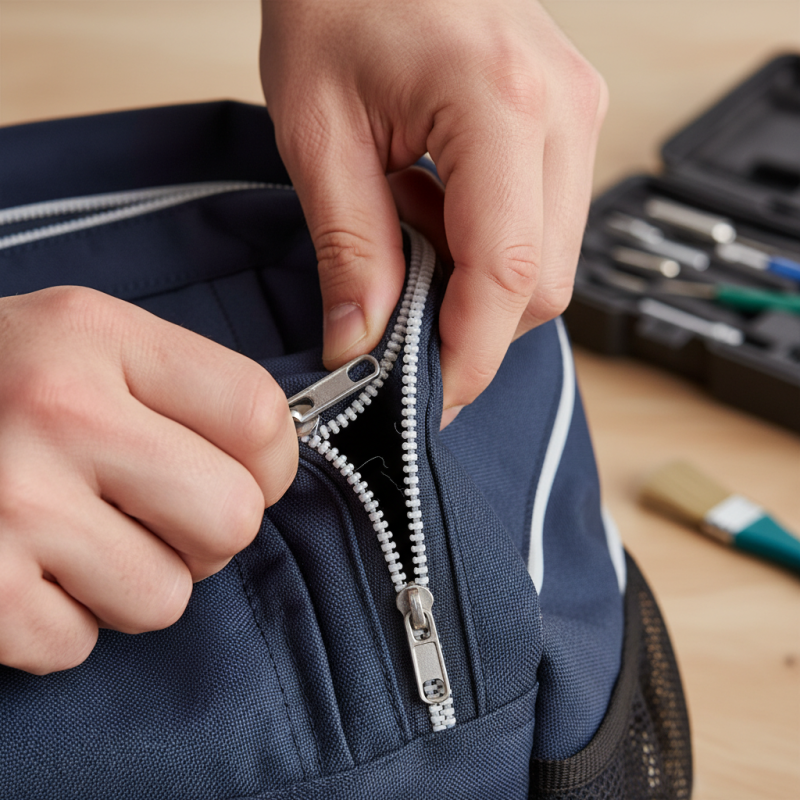
Understanding the Common Causes of Stuck Resin Zippers
Resin zippers can often become stuck, causing frustration. Understanding the common causes can help address this issue. One primary reason for the stickiness is dirt or debris stuck in the zipper track. Dust particles can accumulate, leading to obstruction. Regular cleaning with a soft cloth can prevent this build-up.
Another frequent cause is the improper alignment of the zipper teeth. If the teeth are misaligned, they may not interlock smoothly. Inspecting the zipper's alignment and gently repositioning the slider can solve this problem.
Sometimes, the zipper itself may become damaged or worn out. Signs of wear include frayed fabric or broken teeth. In such cases, replacing the zipper is often the most reliable solution. It’s important to reflect on these aspects before trying to force a stuck zipper open, as this can worsen the issue.
Why Is My Resin Zipper Stuck and How to Fix It? - Understanding the Common Causes of Stuck Resin Zippers
| Cause |
Description |
Solution |
| Dirt and Debris |
Particles trapped in the zipper track. |
Clean the zipper with a soft brush and detergent. |
| Misalignment |
Teeth are not properly aligned. |
Gently realign the zipper while pulling it downwards. |
| Worn Out Teeth |
Teeth on the zipper slider are damaged. |
Replace the zipper or repair with a zipper repair kit. |
| Zipper Slider Issues |
The slider is not functioning properly. |
Lubricate or replace the zipper slider. |
| Temperature Changes |
Extreme temperatures can cause materials to change. |
Allow the zipper to adjust to room temperature. |
Identifying the Symptoms of a Stuck Resin Zipper
A stuck resin zipper can be frustrating and inconvenient. Some symptoms help identify this issue early. First, listen for any unusual sounds when zipping. A grinding noise could indicate debris. Additionally, check if the zipper feels stiff or resists movement. These signs often mean that something is obstructing the mechanism.
Visual clues also suggest a stuck zipper. Look for tears or damage in the fabric near the zipper. Sometimes, the pull tab may appear crooked or misaligned. Inspect for visible particles or resin buildup. Dust and debris can accumulate, causing the zipper to jam. If the zipper seems stuck at a certain point, it likely needs immediate attention.
Addressing a stuck zipper requires care. Often, applying a lubricant can help ease movement. Use a safe, non-staining product for best results. If that doesn’t work, gently wiggle the zipper to see if it can be freed. However, avoid excessive force, as this can worsen the issue. If the problem persists, consider seeking professional help. Understanding these symptoms can prevent further complications and maintain your resin zipper effectively.
Step-by-Step Guide to Unclogging a Resin Zipper
If your resin zipper is stuck, don’t panic. This issue can be frustrating but is often easy to fix. Start by identifying the cause of the blockage. Common reasons include resin build-up, dirt, or debris caught in the mechanism. Examine the zipper closely, looking for any visible obstructions. A magnifying glass can be helpful for this task.
Next, gather your tools. You will need some warm soapy water, a soft brush, and a cloth. Soak the zipper in warm soapy water for a few minutes. This step helps dissolve any resin and loosen dirt. Gently scrub the teeth with a soft brush. Be careful to avoid damaging the zipper. After cleaning, rinse it under running water. Pat dry with a cloth.
Once dry, carefully test the zipper. If it's still stuck, consider applying a small amount of lubricant. Silicone spray or a wax stick can help. Apply sparingly and wipe off excess. Sometimes, patience is required. If the problem persists, you might need to reflect on whether the zipper is damaged beyond repair and requires replacement. Each attempt to fix it offers a chance to learn and improve your skills.
Preventative Measures to Avoid Future Zipper Issues
Zipper issues often stem from improper maintenance or environmental factors. Regular cleaning is crucial. Dirt and debris can accumulate, causing zippers to jam. A survey by the Zipper Industry Association found that 30% of zipper problems arise from neglecting this simple task. Use a soft brush to clear any obstructions and keep the zipper functioning smoothly.
Lubrication plays a key role in prevention. Many users overlook this step. Applying a graphite or silicone-based lubricant can improve zipper performance dramatically. Research indicates that well-lubricated zippers last 50% longer than their neglected counterparts. This preventive measure can save time and money in the long run, avoiding frustrating repairs.
Finally, consider environmental factors. Extreme temperatures can impact zipper functionality. A study in the Journal of Materials Science highlighted that zippers made from specific materials can warp in heat. Store your items in a controlled environment to avoid damage. These practical steps can help prevent future zipper issues, ensuring a hassle-free experience with your resin items.
When to Seek Professional Help for Stuck Resin Zippers
When dealing with a stuck resin zipper, knowing when to seek professional help is crucial. If attempts to fix the zipper yourself fail, consider external support. A qualified technician can assess the issue with expertise. They understand the intricacies of resin materials. This knowledge helps prevent further damage during the repair process.
Moreover, if the zipper remains unresponsive after multiple tries, professional input is warranted. They can pinpoint issues that may not be visible to the untrained eye. Signs of wear or corrosion might lead to bigger problems down the line. If you notice unusual resistance or the zipper teeth misaligning, don't hesitate to ask for help. A professional's insight can save you time and frustration.
Sometimes, a stuck zipper may indicate deeper problems. Ignoring such signs might lead to complete zipper failure. The right intervention can restore the functionality of your resin items. Don't let stubborn zippers cause you stress. Early action can prevent costly replacements. Trust the experts when uncertainty looms over your attempts.
Common Causes of Stuck Resin Zippers
FAQS
: Don't panic. Identify the blockage cause like resin build-up or dirt, and examine the zipper closely.
Use warm soapy water and a soft brush. Soak the zipper before gently scrubbing the teeth.
Gather warm soapy water, a soft brush, and a cloth. These will help clean and dry the zipper.
Consider applying a small amount of lubricant like silicone spray. Use it sparingly and wipe off excess.
If your attempts fail, it's time to consult a professional with expertise in resin materials.
Look for unusual resistance or misalignment of zipper teeth. These may signal deeper issues requiring expert input.
Yes, it can cause complete zipper failure. Early intervention may save you from costly replacements.
Reflect on the situation. If damage is severe, replacement may be necessary. Each attempt teaches you valuable lessons.
Conclusion
When you find yourself wondering, "why is my resin zipper stuck," it’s essential to understand the common causes behind this issue. Stuck resin zippers often result from dirt accumulation, insufficient lubrication, or wear and tear over time. Recognizing the symptoms—such as difficulty in pulling the zipper or a complete refusal to budge—can help you diagnose the problem early.
To address a stuck zipper, follow a step-by-step guide that involves cleaning the zipper track, applying appropriate lubricants, and gently working the zipper back and forth. Additionally, preventative measures, like regular cleaning and storage tips, can significantly reduce the likelihood of future zipper problems. However, if you’ve tried these solutions and your resin zipper remains stuck, it may be time to seek professional help to avoid further damage and ensure effective repairs.

 Gemify zipper