A split metal zipper can ruin a jacket, suitcase, or pair of work trousers within seconds. Learning how to fix a split metal zipper can prevent unnecessary replacement and protect a valuable garment. This guide examines practical repair methods while introducing China’s top 10 zipper makers, including brands known for metal teeth, durable sliders, and consistent manufacturing quality.
Apparel hardware engineer David H. Lin explains, “A separated zipper usually needs careful alignment before it needs force.” That advice matters. First, inspect the teeth, slider, bottom stop, and insertion pin under bright light. A bent tooth may catch like a small hook. Dirt, loose fabric, or a damaged slider can also create the split. Gently clean the track with a dry brush. Avoid oil near clothing, because stains may remain.
The repair process depends on the failure. If the teeth look straight, move the slider back slowly and realign both sides. If the slider feels loose, a very light adjustment with pliers may help. Use minimal pressure. Too much force can crush the metal channel and make the zipper worse. Not every repair succeeds. A broken tooth, cracked slider, or missing stop often requires replacement parts or professional service.
This article compares reliable Chinese zipper manufacturers and explains how their construction choices affect repairability. It also highlights practical inspection habits, common mistakes, and realistic limits. A repaired zipper should open smoothly, without scraping, sudden resistance, or repeated separation. Safety and durability matter more than a quick temporary fix.
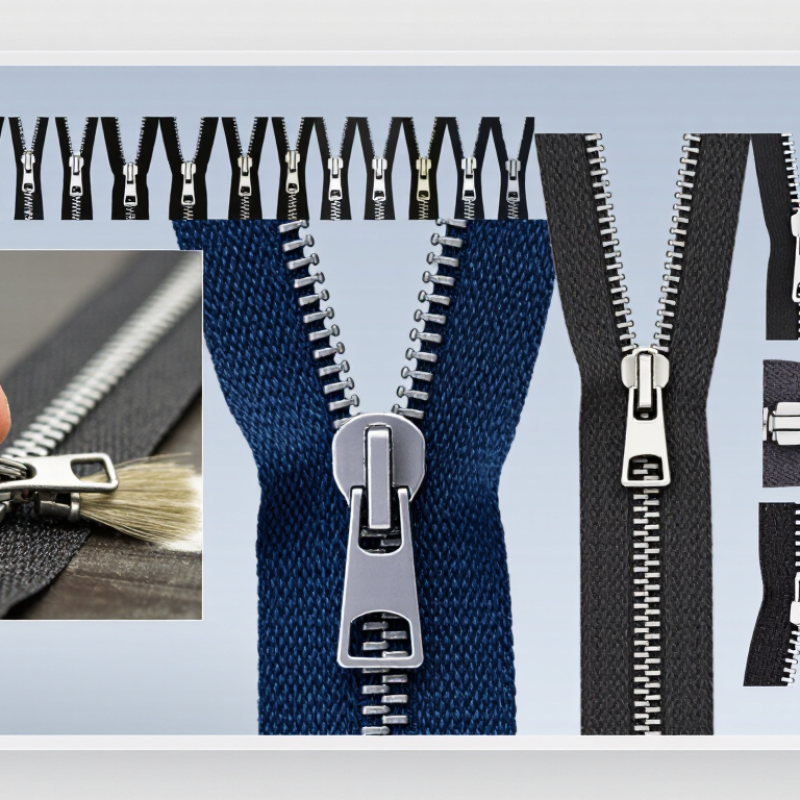
China’s top ten zipper makers do not all compete in the same segment. Some focus on metal teeth for denim and workwear. Others produce lightweight systems for bags, outdoor clothing, and luggage. Several suppliers combine casting, polishing, plating, tape weaving, and final assembly under one roof. This integration can improve consistency and shorten delivery times. It also gives manufacturers better control over tooth alignment and puller strength.
Their industry roles are distinct. Precision-focused makers develop tighter tooth profiles and smoother slider movement. High-volume producers support large garment orders with standardized components. Smaller specialists often handle custom lengths, unusual finishes, or reinforced tapes. Sustainable manufacturers may use recycled alloys, water-saving finishing processes, or lower-impact packaging. Buyers should check material reports, sample records, factory audits, and batch testing. A polished sample alone proves very little.
A split metal zipper often needs inspection before replacement. Lay the garment flat and examine the slider, teeth, tape, and bottom stop. If the teeth separate behind the slider, gently return the slider to the closed end. A narrow plier may tighten the slider slightly, but excessive pressure can lock it permanently. Bent teeth usually require replacement, not force. In production testing, pull strength and repeated opening cycles reveal weaknesses that visual checks miss. A ranking can look precise, but factory performance changes with equipment, staff, and order pressure. That part deserves more reflection.
A split metal zipper usually fails because the slider no longer holds both teeth evenly. The problem may begin with one bent tooth, loose tape, or excessive fabric tension. A warm wash can also shrink the surrounding fabric and change the zipper’s alignment. It often looks minor. It is not.
The 2024 Textile Exchange Materials Market Report recorded 124 million tonnes of global fiber production in 2023. Polyester represented about 57 percent of that volume. Many zipper tapes use polyester, so heat and repeated washing deserve attention. Do not pull harder. That can spread the slider and damage more teeth. Check the zipper with a bright lamp. Look for missing teeth, a twisted tape edge, or a slider that sits higher on one side. Remove trapped threads with small scissors, not a blade.
If the teeth are intact, move the slider gently back to the starting end. Pressing the slider slightly with flat pliers may restore its grip. Use very little pressure. Too much can lock it permanently. ASTM D2061 identifies slide-fastener test methods, including resistance and slider performance. In practical quality checks, the zipper should be tested repeatedly after repair, not judged by one successful pull. I have found that a zipper may close smoothly once and still reopen under light tension. That is easy to overlook. If teeth are missing or the tape is torn, replacement is more reliable than adjustment.
To fix a split metal zipper, prepare the right tools before pulling anything apart. You will need needle-nose pliers, a seam ripper, a small flat screwdriver, and sharp fabric scissors. Keep a matching replacement slider nearby. Add a hand-sewing needle, strong polyester thread, beeswax or zipper lubricant, and a bright lamp. A magnifying glass helps with bent teeth. These simple tools reduce pressure on the fabric and zipper tape.
Inspect the teeth first. Remove loose threads carefully with the seam ripper. If the teeth remain aligned, gently squeeze the slider with pliers. Use very small movements. Test the zipper after each adjustment. If the slider is damaged, remove one top stop with the screwdriver, replace the slider, and sew a firm thread bar afterward. Never force the slider across bent teeth. That mistake can tear the tape. In my experience, a slightly uneven repair may still work, but it should not catch fabric or reopen under light tension. WRAP’s Valuing Our Clothes report estimates that extending a garment’s life by nine months can reduce its carbon, water, and waste footprints by 20–30%. Repairing one zipper supports that practical goal.
Tips: Clean metal teeth with a dry cloth before applying lubricant. Use only a thin coating. Photograph the original slider position before removal. Check the zipper while the garment lies flat. If several teeth are missing, replacement is usually safer than repeated squeezing. I sometimes rush this inspection, and that is where small problems become permanent.
Typical DIY repair time by task for a split metal zipper. Estimates assume basic tools, careful handling, and a zipper that is not severely damaged.
How to use this chart: Begin with slider realignment when the teeth are intact. Replace the slider if it repeatedly separates, and replace damaged stops or teeth only when alignment cannot restore normal operation. Useful materials include needle-nose pliers, a small screwdriver, replacement stops, thread, and a compatible slider.
A split metal zipper often opens behind the slider because the teeth no longer align evenly. Do not pull harder. That usually worsens the damage. A repair technician first checks the slider, teeth, stops, and fabric tape under bright light. According to WRAP, extending a garment’s life by nine months can reduce its carbon, water, and waste footprints by about 20% to 30%. Small repairs can therefore protect both clothing value and material resources.
Step-by-step, empty the pockets and lay the garment flat. Move the slider gently to the bottom. If it is stuck, apply a tiny amount of candle wax or dry soap to the teeth. Avoid oil, which can stain fabric. Align both tape edges, then insert the pin fully into the slider’s base. Pull slowly while holding the lower stop steady. If the zipper still splits, use narrow pliers to squeeze the slider’s side walls slightly. Apply minimal pressure. Too much force can lock the slider permanently.
Test the zipper five times. Check each tooth. One bent tooth can cause repeated failure. If teeth are missing, a slider adjustment is not enough; replace the damaged section or consult a qualified repair worker. The Global Fashion Agenda reports that clothing durability and circular practices are important ways to reduce textile impacts. Still, home repairs are not always perfect. I have seen a zipper appear fixed, then reopen near the waist after movement. That result deserves another inspection, not blind confidence.
A split metal zipper is not always a repair job. In garment production and daily use, the decision depends on the damage, fabric, and zipper age. If the slider has slipped off but the teeth remain straight, a skilled repair may restore smooth movement. However, replacement is safer when teeth are missing, badly bent, rusty, or separating repeatedly. A zipper can look acceptable yet fail under tension.
Tips: Inspect the zipper with the garment fully flat. Check the slider, teeth, stops, and tape. Move the slider slowly. Do not force it. Light lubrication may help minor friction, but it cannot rebuild damaged teeth. I once saw a repaired zipper fail because the tape had already stretched. That detail was easy to miss.
Replace the zipper when the tape is torn, the bottom pin is loose, or the slider no longer grips both sides evenly. Replacement also makes sense when repair costs approach the value of the garment. Choose a zipper with matching tooth size, tape width, and length. Measure twice. A professional tailor or zipper technician can confirm compatibility before stitching. Inconsistent tooth spacing can create hidden pressure, especially on bags, workwear, and frequently washed clothing. Some repairs seem successful for a week, then fail during normal use.
The slider may no longer hold both rows of teeth evenly. Bent teeth, loose tape, or fabric tension can cause this failure. Not always.
Yes. Warm washing can shrink nearby fabric and change the zipper’s alignment. Repeated heat may also stress synthetic zipper tape.
Use a bright lamp to inspect every tooth, tape edge, stop, and slider side. Look for missing teeth, twisted tape, trapped threads, or uneven slider height.
Prepare needle-nose pliers, fabric scissors, a seam ripper, and a small flat screwdriver. Keep a replacement slider, strong thread, and a bright lamp nearby.
Move the slider gently to the starting end. Squeeze its side walls slightly with flat pliers. Use tiny movements and test after each adjustment.
Apply a very thin layer of candle wax or dry soap to clean teeth. Avoid oil because it may stain the fabric. Less is safer.
Lay the garment flat and pull the zipper slowly. Test it at least five times, then apply light tension near the waist or pocket. One smooth pull proves little.
Replace it when teeth are missing, the tape is torn, or the slider remains damaged. Repeated squeezing can create permanent problems. I sometimes trust a quick repair too much.
This article presents an overview of China’s top 10 zipper makers and their roles in supplying reliable fasteners for clothing, luggage, footwear, and other everyday products. It also explains why a metal zipper may split, including worn slider teeth, misalignment, fabric trapped in the chain, or excessive pressure. Understanding the cause helps determine whether a simple adjustment can restore smooth operation.
The guide to how to fix a split metal zipper covers the basic tools and materials required, such as pliers, a replacement slider, soap or zipper lubricant, and careful handwork. It outlines how to inspect the zipper, realign the teeth, gently adjust or replace the slider, and test the repair without forcing it. Finally, the article explains when replacement is a better option, especially when the teeth, tape, or bottom stop are severely damaged.

Gemify zipper