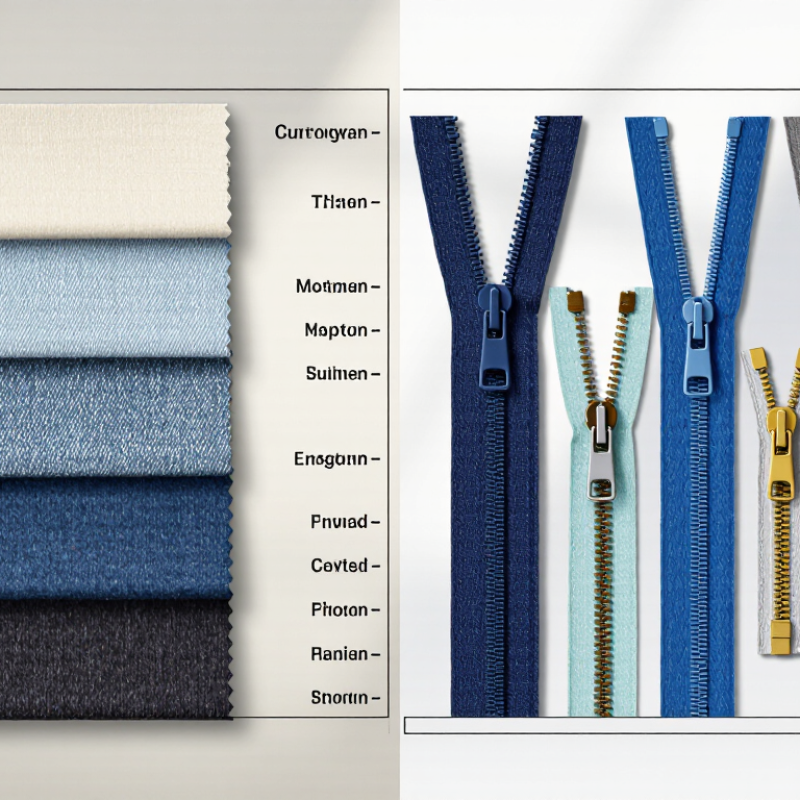
China Top Zippers How to Match Color With Fabric Perfectly?

Time:2026-09-19 Author:Mason
0%

Matching a zipper to fabric looks simple, yet small differences can change an entire garment. A navy zipper may appear correct indoors, then look noticeably brighter under daylight. This is why manufacturers must study fabric color, surface texture, lighting, and zipper finish together.

Johannes Itten, a respected color theorist, wrote, “Color is life; for a world without colors seems dead.” His observation remains useful for anyone learning how to match zipper color with fabric perfectly. Color is not only a digital code. It changes across cotton, denim, nylon, wool, and coated materials. A matte fabric can make a glossy zipper seem darker. A brushed metal puller can also reflect nearby colors.

China’s leading zipper suppliers usually begin with a physical fabric swatch. They compare it beside dyed tape, teeth, sliders, and packaging samples. Pantone references can improve communication, but they cannot replace real material testing. This matters when a buyer approves a screen image too quickly. Screens mislead. Samples reveal the truth.

A careful matching process should check daylight, warehouse lighting, and retail lighting. It should also consider washing, rubbing, and repeated opening. Sometimes, a perfect match is not the strongest choice. A slightly deeper zipper may create a cleaner edge, while a soft contrast can highlight sportswear details. I still find that “perfect” depends on the garment’s purpose. Formalwear demands restraint. Outdoor clothing may need visibility and durability. Good suppliers explain these differences clearly, document approvals, and produce a final sample before mass production. Small errors remain possible, but disciplined testing keeps them manageable.

China Top Zippers How to Match Color With Fabric Perfectly?

Identify the Fabric Color, Texture, and Visual Style

Matching a zipper to fabric begins with accurate color identification. Under daylight, inspect the fabric beside a neutral gray card. Artificial light can shift navy toward black and warm beige toward yellow. Textile Exchange’s 2024 Materials Market Report records 124 million tonnes of global fiber production in 2023, with polyester representing about 57%. This matters because synthetic fabrics often reflect light differently from cotton or wool.

Texture changes the perceived zipper color. A matte canvas can make a metal or coated zipper look brighter. Brushed fleece softens contrast, while smooth nylon creates sharper visual edges. Check the zipper tape, teeth, puller, and stitching separately. Their surfaces may not absorb dye equally. For reliable production, record a physical swatch, a measured color value, and the lighting condition. Digital screens are useful, but they are not final evidence.

Visual style should guide the contrast level. Minimal clothing usually benefits from a close color match and restrained hardware. Outdoor products may need stronger contrast for visibility and easier handling. The International Textile Manufacturers Federation continues to report cost and demand uncertainty across textile supply chains, so sampling decisions must reduce rework. A small mismatch can become obvious across thousands of units. Perfect matching is not always realistic. Texture can deceive the eye. Check it again.

China Top Zippers How to Match Color With Fabric Perfectly? - Identify the Fabric Color, Texture, and Visual Style
Fabric Category Typical Fabric Color Texture and Surface Visual Style Recommended Zipper Tape Color Recommended Teeth or Coil Finish Color-Matching Method Suitable Applications
Wool Suiting Deep navy Fine, matte, tightly woven, and lightly brushed TailoredFormalMinimal Deep navy or a slightly darker navy Concealed coil or dark gunmetal metal finish Use a low-contrast zipper that follows the fabric value. A darker tape keeps the seam discreet and preserves the clean appearance of tailored garments. Trousers, tailored jackets, formal skirts, and structured bags
Cotton Twill Black Diagonal rib structure with a firm, durable hand UtilityContemporaryClean True black Black coil or blackened metal Match both the tape and teeth closely to the black fabric. A uniform dark palette minimizes visual breaks along pocket and fly openings. Workwear trousers, overshirts, backpacks, and utility jackets
Linen Blend Natural ivory Dry hand, visible slubs, and a softly irregular weave NaturalRelaxedSummer Warm ivory, ecru, or unbleached beige Antique brass or matte ivory coil Choose a warm neutral rather than a cool white. Slight tonal variation complements the natural slub texture without creating a harsh line. Summer dresses, linen shirts, lightweight trousers, and casual totes
Ripstop Nylon Olive green Lightweight, smooth, slightly crisp, with a visible grid pattern OutdoorTechnicalSport Matching olive or a controlled darker olive Water-resistant coil with matte black puller and slider Match the dominant base color and keep the hardware dark. Matte components reduce unwanted shine on technical fabrics. Outdoor jackets, travel packs, windbreakers, and equipment covers
Waxed Canvas Rust brown Dense, rugged, waxed surface with a soft low sheen HeritageRuggedCraft Rust brown, tobacco, or a slightly darker brown Antique brass or aged copper appearance Coordinate the warmth of the zipper with the warm undertone of the canvas. An aged metal finish supports the fabric's weathered character. Tool bags, messenger bags, work aprons, and field jackets
Polyester Fleece Light sky blue Soft, brushed, voluminous, and visually diffuse CasualSoftSporty Matching sky blue or a slightly lighter blue Lightweight coil with a satin or matte slider Stay within the same color family and avoid heavy reflective hardware. A soft tonal zipper keeps the fleece looking comfortable and lightweight. Hoodies, fleece jackets, children's apparel, and lounge garments
Velvet Deep burgundy Dense pile, directional nap, and rich light absorption LuxuriousEveningDecorative Deep burgundy or a near-black burgundy Concealed coil or dark satin-finished metal Use a discreet zipper that does not compete with the pile. Matching the depth of the fabric helps preserve velvet's uninterrupted visual richness. Evening garments, decorative cushions, upholstery accents, and premium pouches
Denim Medium indigo Diagonal twill, firm hand, and moderate surface variation CasualClassicDurable Indigo, navy, or contrasting tan depending on design intent Antique brass for a classic look; dark metal for a modern look For a traditional appearance, coordinate warm hardware with the denim's contrast stitching. For a cleaner style, use dark teeth and a matching indigo tape. Jeans, denim jackets, skirts, backpacks, and casual accessories
Polyurethane-Coated Fabric Sand beige Smooth, coated, wind-resistant, and slightly glossy ModernProtectiveUrban Sand beige or a darker taupe Water-resistant coil with matte black or matching puller Match the zipper tape to the base color while controlling the sheen of the hardware. A matte finish balances the coated surface. Rainwear, protective covers, commuter bags, and lightweight outerwear

Choose a Zipper Color Using Contrast and Tone Principles

China Top Zippers: How to Match Color With Fabric Perfectly?

A zipper should support the fabric, not compete with it. Contrast creates a clear design feature, while a similar tone gives a quieter, refined appearance. For example, a charcoal zipper can sharpen a light gray jacket without looking harsh. A warm beige zipper usually suits cream, camel, and brown fabrics better than a cool white option.

Color temperature matters. Compare the zipper tape, teeth, and puller beside the actual fabric, not a screen image. Natural daylight reveals blue, yellow, or red undertones more accurately.

I once matched a zipper to a navy sample under warm workshop lights. It looked correct indoors, but appeared slightly purple outside. That mistake changed my sampling process.

Tips:

  • Place three zipper shades beside the fabric.
  • Check them in daylight and indoor lighting.
  • Choose contrast for sportswear, workwear, or visible details.
  • Choose close tones for dresses, cushions, and minimalist garments.
  • Test the complete zipper, because metal teeth can reflect light differently from the tape.
  • A small fabric swatch is useful, but a finished sample is more reliable.
  • Wash and rub the sample when durability matters. Color can shift after treatment, and this is easy to overlook.

Match Zipper Materials and Finishes with the Fabric Surface

A zipper should follow the fabric’s surface, not merely its color. Smooth satin usually pairs well with polished metal or refined coil finishes. These surfaces reflect light and support a clean, formal appearance. Matte hardware works better with brushed cotton, canvas, and washed denim. It reduces visual tension.

Texture changes the choice. A chunky knit may need a flexible coil zipper with rounded edges. A stiff metal zipper can catch loops or create uncomfortable pressure. For fleece and brushed fabrics, select a zipper tape with a soft backing. It should slide without pulling fibers from the surface.

Color needs practical testing. Place the zipper beside the fabric under daylight, warm indoor light, and camera flash. A navy tape may look black in a showroom. That mistake is common. I once approved a close match too quickly, and the finished sample showed a distracting blue line. The second sample used a slightly lighter tape and a low-sheen finish. It looked more balanced.

Surface wear also matters. High-contact areas need finishes that hide small scratches and repeated handling. A glossy finish may appear attractive initially, but it can highlight fingerprints and abrasion. Test the zipper after washing, bending, and opening it at least thirty times. Check puckering around the seam. Check trapped lint. Small flaws become obvious in production. Certain combinations still need adjustment.

Test Color Combinations Under Different Lighting Conditions

China Top Zippers: How to Match Color With Fabric Perfectly?

A zipper can match perfectly in a sample room and look wrong near a window. Lighting changes the fabric’s perceived hue, depth, and brightness. For reliable color approval, test the zipper and fabric together under D65 daylight, approximately 6504K. Then compare them under Illuminant A, about 2856K, and TL84-style lighting, near 4000K. These viewing conditions are widely used in textile color evaluation and align with guidance from CIE 15:2018 and AATCC Evaluation Procedure 9.

Measure color differences with a spectrophotometer when possible, using CIELAB and ΔE00 values.

Do not inspect only the tape. Check the teeth, slider, puller, and stitching beside the fabric. A warm gray fabric may make a black zipper appear slightly blue. A satin surface can also reflect light differently from a matte woven fabric. Measure color differences with a spectrophotometer when possible, using CIELAB and ΔE00 values. However, one number cannot replace visual judgment. This is where production teams sometimes overtrust instruments.

Tips: Place samples in a neutral gray light booth. Rotate the fabric by 90 degrees. View each combination for at least 30 seconds. Record the lamp type, color temperature, and approval result. Test morning daylight too. Real rooms are imperfect. A zipper approved under D65 may still fail under retail lighting, especially when texture and gloss change the reflection. Capture photographs only as supporting evidence, because cameras can correct white balance and hide small color shifts.

Apply Quality Checks for Consistent Zipper and Fabric Color Matching

China Top Zippers: How to Match Color With Fabric Perfectly?

Consistent color matching begins before zipper production. Request the fabric swatch, zipper tape, and teeth sample from the same approved color standard. Inspect them under D65 daylight in a controlled light booth. Warm store lighting can hide a visible mismatch. A spectrophotometer can record color difference using Delta E values, but visual checking remains necessary. Texture and gloss can change how the eye reads color.

Apply quality checks across every production batch. Compare incoming tape against the approved master sample. Check shade variation at the zipper’s top, middle, and bottom sections. Test rubbing, washing, and dry heat exposure because color may shift after processing. ISO 105 colorfastness methods provide useful testing guidance. The American Society for Quality estimates that poor quality may cost 15–20% of sales, showing why early inspection matters. Still, one number cannot explain every factory problem.

Tips: Keep samples in sealed, labeled bags. Record lighting, batch number, and inspection time. Review samples after washing. Do not trust memory. A small shade difference can become obvious on a large garment. In practice, teams sometimes approve matching colors too quickly. That is a weakness worth correcting. A second inspector should review borderline results, especially with fluorescent, black, and pastel fabrics. Keep rejected samples for training and supplier feedback.

China Top Zippers: How to Match Color With Fabric Perfectly?

Apply quality checks for consistent zipper and fabric color matching

The chart uses CIEDE2000 (ΔE00), a standard color-difference measurement used with spectrophotometers. Lower values indicate closer zipper and fabric color matching. As a practical reference, values below 1 are generally difficult to perceive, values from 1 to 2 may be noticed under close inspection, and values above 3 usually require review. Final acceptance limits should be agreed through approved samples and tested under consistent lighting, such as D65.

FAQS

Why can a zipper match in a sample room but look wrong near a window?

Lighting changes the fabric’s hue, brightness, and depth. A warm gray fabric may make black tape appear slightly blue.

Which lighting conditions should be used for color approval?

Compare the zipper and fabric under neutral daylight, warm household light, and cool fluorescent-style lighting.

What zipper parts should be inspected beside the fabric?

Check the tape, teeth, slider, puller, and stitching. Do not inspect the tape alone.

How should samples be arranged during visual inspection?

Place samples in a neutral gray light booth. Rotate the fabric 90 degrees and view each combination for at least 30 seconds.

Can a spectrophotometer replace visual color checking?

No. It can record CIELAB and Delta E values, but texture, gloss, and reflection still affect human judgment.

What production checks help maintain consistent zipper color?

Compare incoming tape with an approved master sample. Inspect the top, middle, and bottom sections of each batch.

Should zipper color be checked after washing or heating?

Yes. Test rubbing, washing, and dry heat exposure because processing can change the shade.

How should borderline color matches be handled?

Ask a second inspector to review them, especially with black, fluorescent, or pastel fabrics.

Why should rejected samples be retained?

Keep them in sealed, labeled bags for training and supplier feedback. They show how small differences become obvious on large garments.

Are photographs reliable proof of color matching?

Photographs are only supporting evidence. Camera white balance can hide small color shifts, so real samples need direct inspection.

Conclusion

Matching a zipper with fabric perfectly begins with a careful review of the fabric’s color, texture, weight, and overall visual style. To understand how to match zipper color with fabric perfectly, first decide whether the zipper should blend in, create a subtle contrast, or become a visible design feature. Soft, neutral fabrics often work well with tone-on-tone zippers, while bold materials may benefit from a balanced contrasting shade. The zipper’s material, surface finish, and gloss level should also complement the fabric, such as pairing matte fabric with a low-shine zipper for a refined appearance.

Before final production, test the fabric and zipper together under natural daylight, indoor lighting, and stronger artificial light, since colors can appear different in each setting. Check the alignment, color consistency, stitching area, zipper teeth, and tape quality across multiple samples. These steps help ensure a harmonious, durable, and professionally coordinated result.

Mason

Mason

Mason is a seasoned marketing professional with a deep expertise in the company's offerings and a passion for driving brand awareness. With a strong background in digital marketing strategies, he has an innate ability to connect with diverse audiences and effectively communicate product benefits.......