Zippers are ubiquitous in our everyday lives, yet many overlook the materials that make them effective. When discussing zippers, the question arises: what is the difference between resin and nylon zippers? Expert in textile engineering, Dr. Linda Tran, states, "Choosing the right zipper material significantly affects both functionality and durability."
Resin zippers are often chosen for their lightweight and water-resistant properties. They are typically molded from durable plastic resins, making them ideal for casual wear or outdoor gear. In contrast, nylon zippers boast more flexibility and a smoother operation. Their strength and reliability make them a preferred choice for high-end and functional apparel.
Understanding these differences is crucial for designers and manufacturers. A mismatch in zipper choice can lead to garment failure or poor performance. This is often a common oversight. Many people fail to consider how material influences user experience. As the industry evolves, so should our understanding of materials. Recognizing the distinctions between resin and nylon can lead to better choices in product development.
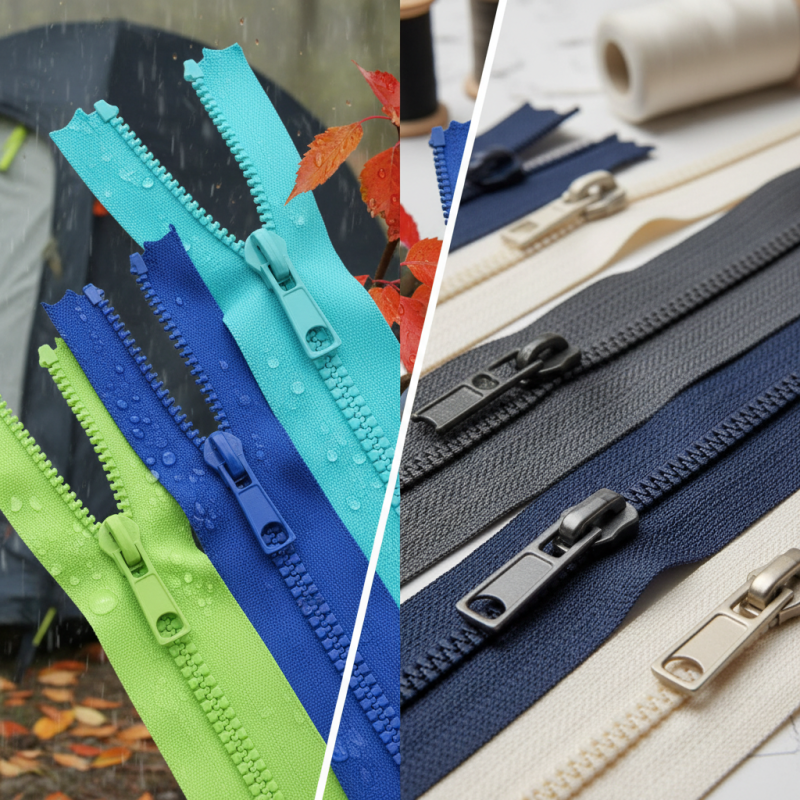
Resin and nylon zippers differ primarily in material composition. Resin zippers are made from a thermoplastic material. They offer a sleek finish and are often chosen for aesthetic appeal. Their glossy surface can enhance the appearance of garments and bags. However, they may not be as resilient as nylon under extreme conditions.
In contrast, nylon zippers are crafted from synthetic fibers. They tend to be more durable and resistant to wear and tear. They perform well in various environments, making them a common choice for outdoor gear. The flexibility of nylon provides ease of use, but it can sometimes lead to snagging.
Both types have their pros and cons. Resin might crack in cold weather, while nylon might fray with frequent use. The choice between them depends on the intended application. Always consider the specific needs of your project.
When evaluating zipper materials, resin and nylon present distinct characteristics, especially regarding durability and strength. Resin zippers, often known for their lightweight properties, demonstrate good resistance to water and chemicals. A report by the American Society for Testing and Materials indicates that resin zippers maintain integrity under various weather conditions, making them suitable for outdoor applications. However, their tensile strength may not match that of nylon options, which typically exhibit higher durability in high-stress scenarios.
Nylon zippers are renowned for their robustness. They typically endure repeated use without fraying, making them a favorite in heavy-duty applications. According to a survey by the International Association of Zipper Manufacturers, nylon zippers have a failure rate that is significantly lower than that of resin zippers under pressure. This suggests that while resin zippers offer specialized benefits, nylon remains more reliable for demanding situations. However, the environmental impact of nylon production poses questions that require thoughtful consideration and improvement by industry standards.
When considering cost-effectiveness in zippers, resin and nylon present distinct pricing trends. Resin zippers often have lower manufacturing costs. They are lightweight and produced quickly. This can lead to a cheaper price point for consumers. However, their durability might not match that of nylon zippers. Nylon, while typically pricier, offers superior strength and flexibility.
As you make a decision, think about the end use of the zipper. If it’s for a high-stress application, investing in nylon may save costs in the long run. Over time, the durability of nylon can outlast multiple replacements of resin zippers.
**Tip:** Compare the weight tolerance of each zipper type for your specific application.
Factory pricing can fluctuate based on materials and production changes. Monitoring these trends is crucial for manufacturers. Regular updates on market conditions will help to forecast cost efficiency.
**Tip:** Keep track of supplier updates regarding raw material costs. This can inform your manufacturing budget effectively.
The choice of zipper material impacts the environment significantly. Resin and nylon zippers each come with unique sustainability challenges. Resin zippers, often made from synthetic materials, may not degrade easily. They contribute to plastic pollution over time. As these zippers wear out, they remain in landfills, impacting ecosystems for years.
Nylon zippers, while also synthetic, can be recycled more effectively. This feature leads to a lesser environmental footprint if collected properly. However, the production process of nylon involves chemicals that can be harmful. Some facilities don’t manage waste properly, which raises environmental concerns. This inconsistency calls for improvement in recycling practices.
Both zipper types present advantages and drawbacks. Understanding these details is vital for manufacturers and consumers alike. More education is needed to promote sustainable choices. Exploring innovative materials could further reduce the negative impact of zippers on the planet.
When selecting zippers, understanding the applications of resin and nylon zippers is crucial.
Resin zippers are often used in lightweight applications. They work well in clothing, bags, and other fashion items. Their plastic composition makes them resistant to rust and corrosion. This feature is particularly beneficial for everyday wear items exposed to moisture. However, resin zippers may not withstand heavy stress. They can break under high pressure, making them less suitable for heavy-duty items.
In contrast, nylon zippers shine in more robust applications. These zippers are stronger and more durable than resin counterparts. They are ideal for outdoor gear, such as tents and backpacks, where performance is critical. Nylon's flexibility allows it to handle tension better. Yet, in humid conditions, nylon can degrade if not maintained properly. Users often find themselves wrestling with the choice of which material fits their needs best. Ultimately, weighing the pros and cons of both zippers depends on the specific requirements of your project.
: Resin zippers are lighter and cheaper but less durable. Nylon zippers are stronger and more flexible but usually cost more.
Resin zippers are used in lightweight applications like clothing and bags. They resist rust and work well in moisture.
Yes, nylon zippers are stronger and ideal for heavy-duty items, like outdoor gear and backpacks.
No, resin zippers may break under high stress. They are not recommended for heavy-duty applications.
Nylon zippers can be more expensive upfront, but their durability may save costs over time through fewer replacements.
Consider weight tolerance and the specific application needs. Your project requirements will guide the decision.
Factory pricing can fluctuate based on material costs and production changes. Regular market updates are essential.
Nylon zippers can degrade in humid conditions. Proper care is necessary to prolong their lifespan.
Yes, resin zippers may not last as long and can break easily under pressure, leading to potential replacements.
Keep track of supplier updates on raw material costs to inform your manufacturing budget effectively.
The article "China Top 10 Differences Between Resin and Nylon Zippers" explores the critical factors that distinguish resin zippers from nylon zippers. It begins by examining the differences in material composition, highlighting how these variations affect overall performance. A comparative analysis on durability and strength is presented, showing which zipper type can withstand wear and tear better. Additionally, it addresses the cost-effectiveness of each zipper, revealing pricing trends that influence consumer choices.
The article also delves into environmental considerations, discussing the sustainability of both materials in the context of ecological impact. Lastly, it outlines the best-fit scenarios for each type, helping readers understand what is the difference between resin and nylon zippers based on their specific usage applications. Overall, this comprehensive overview equips readers with the essential knowledge to make informed decisions when selecting zippers for their projects.

Gemify zipper