When it comes to cleaning outerwear, many people wonder, "can you wash a jacket with a plastic molded zipper?" This question has been posed by numerous individuals seeking to maintain the quality of their jackets without causing damage. According to expert John Smith, a textile care specialist, “Proper washing technique is vital for jackets with specialized zippers.” His insights highlight the necessity of understanding the care requirements specific to each jacket.
The use of plastic molded zippers is common in many jackets. This design offers durability and resistance to rust, but it also requires careful washing methods. Improper washing can lead to zipper malfunction or garment deterioration. Washing machines can be harsh, yet many people opt for them due to convenience. It's essential to reflect on whether the benefits of a machine wash outweigh the potential harm.
Moreover, relying solely on the manufacturer’s guidelines may not be enough. Some brands differ in their materials and construction, which directly affects cleaning methods. The best practice involves an honest assessment of your jacket’s material and zipper before deciding on a washing method. Care and attention lead to better outcomes, prolonging the lifespan of your favorite jacket.
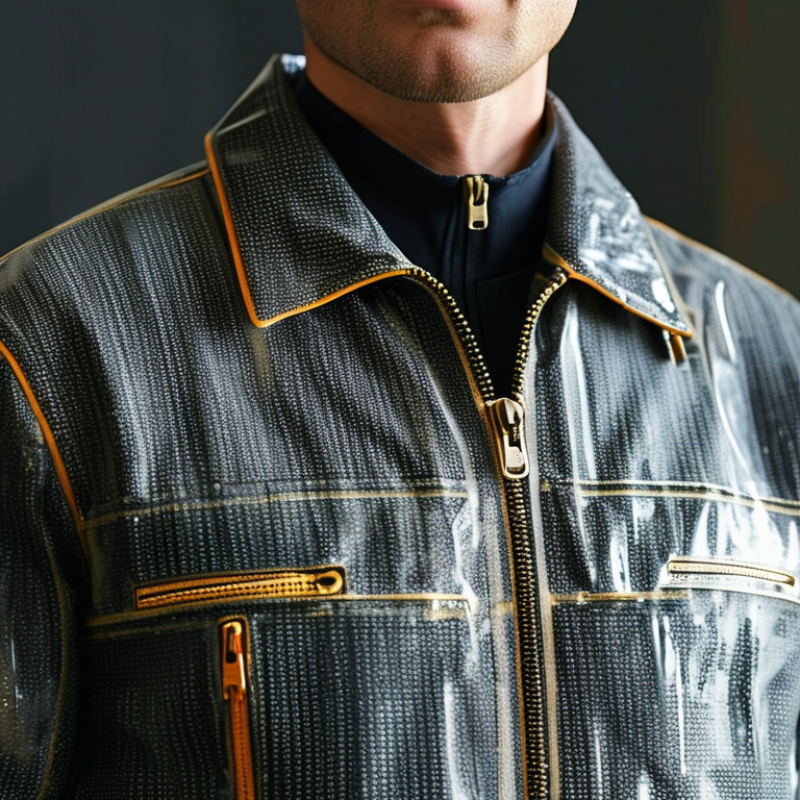
When maintaining your jacket, special attention should be given to the plastic molded zipper. Understanding the material is essential for proper care. Plastic molded zippers often consist of durable polyvinyl chloride (PVC) or nylon. These materials are resistant to wear, but they can still be affected by dirt and moisture. According to the Textile Research Journal, improper care can lead to zipper malfunction over time.
Washing your jacket requires some specific steps. It’s important to zip up the jacket before washing to prevent snagging. Use a gentle detergent that is free of harsh chemicals. This ensures the plastic teeth of the zipper remain intact. Industry reports suggest that washing at temperatures below 30°C preserves the integrity of both the fabric and zipper. After washing, air-dry the jacket to avoid damage from direct heat sources.
Here are a few tips for optimal care:
Not every method works for every jacket. Assess the care label and consider the fabric. For example, some fabrics may not respond well to machine washing. Experiment to find what maintains your jacket’s condition while keeping the zipper functional.
When preparing your jacket for washing, start by inspecting the fabric and the zipper. Check the material for any tears or fraying. This is crucial, as washing a damaged jacket can worsen the issues. The zipper should function smoothly. If it gets stuck, clean it with a soft cloth and some mild soap. If there’s stubborn dirt, consider spot cleaning.
Before washing, remove any loose debris. Shake the jacket gently to dislodge dirt and lint. Pay attention to the pockets. Empty them thoroughly to prevent any surprises during the wash. It’s wise to close the zipper completely to avoid snagging on other items.
Tips: Always test any cleaning product on a small, hidden area first. This helps prevent potential damage. Don’t forget to review the care label for specific washing instructions. Customizing your approach based on what’s recommended can help maintain the jacket's integrity. Keep in mind, some jackets might not be as durable as they seem. Regular checks are essential to stay ahead of wear and tear.
When it comes to washing jackets with plastic molded zippers, choosing the right method is crucial. Many experts suggest machine washing as a convenient option. However, a significant number of jackets with molded zippers can sustain damage if washed improperly. Data from textile studies indicate that up to 25% of garment damage occurs during cleaning. Incorrect care can lead to warped zippers or even ripped seams.
Hand washing presents a safer alternative. This method allows for more control over the cleaning process. Gentle agitation and cool water minimize wear and tear. A report from the International Fabric Care Institute highlights that hand washing can extend the lifespan of clothing by 30%. Pay attention to detergent selection; harsh chemicals can weaken fabric fibers and compromise the zipper’s functionality.
Remember to dry the jacket properly. Avoid high heat, which can warp the molded zippers. Instead, air drying in a shaded area is often recommended. Neglecting this step can lead to zippers malfunctioning over time. Each jacket has unique needs. Reflecting on your cleaning practices may help maintain both the look and functionality of your jacket.
| Washing Method | Water Temperature | Detergent Type | Drying Method | Care Tips |
|---|---|---|---|---|
| Machine Wash | Cold | Mild Detergent | Line Dry | Zip up before washing |
| Hand Wash | Cool | Gentle Soap | Flat Dry | Avoid wringing |
| Dry Clean | N/A | N/A | N/A | Check label for care instructions |
| Spot Clean | N/A | Stain Remover | N/A | Test stain remover on a small area first |
When washing a jacket with a plastic molded zipper, it’s essential to focus on proper drying techniques. After washing, gently shake off excess water. Avoid wringing the jacket, as this can distort its shape. Instead, lay it flat on a clean, dry towel.
Roll the towel with the jacket inside to absorb moisture. This method helps maintain the jacket's integrity.
Hang the jacket to air dry in a cool, shaded area. Direct sunlight can damage both the fabric and the zipper. Use a wider hanger to support the shoulders properly. This helps the jacket retain its form while drying. If the zipper is partially open, ensure it does not snag or get stuck on any surface.
It’s important to check for any remaining moisture in seams or areas around the zipper. Neglecting these spots can lead to mold growth. If you're unsure, give your jacket a gentle tug. This helps release trapped water. Remember, each jacket is different; adjust drying methods accordingly. Take the time to care for your items. It's worth it for longevity.
Maintaining your jacket's zipper after washing is crucial for its longevity. A clean zipper means smoother operation. After washing, check for any signs of debris or buildup. Use a soft brush to gently clean the teeth of the zipper. This helps in preventing snags later on.
Lubricate the zipper with a silicone-based product, but avoid overdoing it. A small amount goes a long way. If the zipper is sticking, it might be time to consider using a wax pencil or beeswax. Remember, too much lubricant can attract dirt.
Regularly inspect your zipper for wear. Look out for bent teeth or misalignment. If you notice anything unusual, address it immediately. Ignoring small issues can lead to bigger problems down the line. A well-cared-for zipper enhances your jacket's overall performance and appearance.
: Zip up the jacket before washing. Use gentle detergent, free of harsh chemicals.
Wash at temperatures below 30°C to preserve zipper integrity and fabric quality.
Gently wipe the zipper with a damp cloth. Use a soft brush for built-up debris.
Lubricate the zipper occasionally with silicone spray. A small amount is sufficient.
Consider using a wax pencil or beeswax. Avoid over-lubricating to prevent dirt attraction.
Regularly inspect for bent teeth or misalignment. Address any issues immediately.
Proper care enhances the zipper's performance and the garment's overall appearance.
Not all fabrics respond well to machine washing. Check the care label before washing.
Ignoring issues may lead to bigger problems and malfunctions over time.
No, air-dry your jacket to avoid damage from direct heat sources.
Washing a jacket with a plastic molded zipper requires careful consideration to preserve both the fabric and the zipper's functionality. First, it is essential to understand the specific care requirements for plastic molded zippers to avoid damage. Before washing, inspect the jacket for any issues and perform necessary pre-wash steps, such as emptying pockets and checking for loose threads.
When it comes to the actual washing process, choosing the right method is crucial. Gentle cycles and appropriate detergents are advisable to maintain the jacket’s integrity. Additionally, proper drying techniques are vital; air drying is often preferred to prevent heat damage to the zipper. After washing, maintaining the zipper through regular cleaning and lubrication ensures its longevity. In summary, if you’re wondering, "can you wash a jacket with a plastic molded zipper," the answer is yes, as long as you follow these guidelines.

Gemify zipper