When we invest in waterproof gear, we expect it to perform flawlessly. Yet, many wonder, "why does my waterproof zipper leak?" This common issue often frustrates outdoor enthusiasts and everyday users alike. Expert Angela Wells, a leading authority on waterproofing technologies, says, "A leaking waterproof zipper can ruin an adventure and compromise gear functionality." Understanding the root causes of these leaks can save valuable time and money.
Waterproof zippers may fail due to various factors, including dirt accumulation and wear. Even small particles can disrupt the sealing mechanism. Users often overlook simple maintenance tips, which may lead to larger issues. Frequent exposure to harsh conditions can weaken the zipper material over time. Identifying these signs can help in taking proactive measures.
Repairing a leaking zipper might feel daunting. Yet, with the right strategies and tools, it’s achievable. Embracing these methods allows one to extend the life of their gear. Being prepared to troubleshoot and maintain zippers can transform your experience in the great outdoors. Don’t let a simple malfunction hold you back.
Waterproof zippers are designed to keep water out, but sometimes they fail. Understanding how they work helps identify issues. These zippers feature a special design. A flexible polyurethane coating covers the teeth, and the slider compresses the coil. This creates a barrier against water. The mechanics involve sealing, but improper maintenance can cause leaks.
Common problems include dirt accumulation or wear and tear. Dust or debris can disrupt the seal, leading to water seepage. Regular cleaning of the zipper area can prevent this. Sometimes, due to overuse, the teeth might not align well. This misalignment compromises the zipper’s water resistance. Observing how the zipper functions can reveal these minor flaws.
It's essential to periodically check your waterproof zippers for damage. Look for frayed edges or bent sliders. Making small adjustments can enhance their lifespan. Noticing wear early prevents bigger issues. Waterproof zippers are not perfect; they require attention. Regular care and proper usage are key to maintaining their effectiveness.
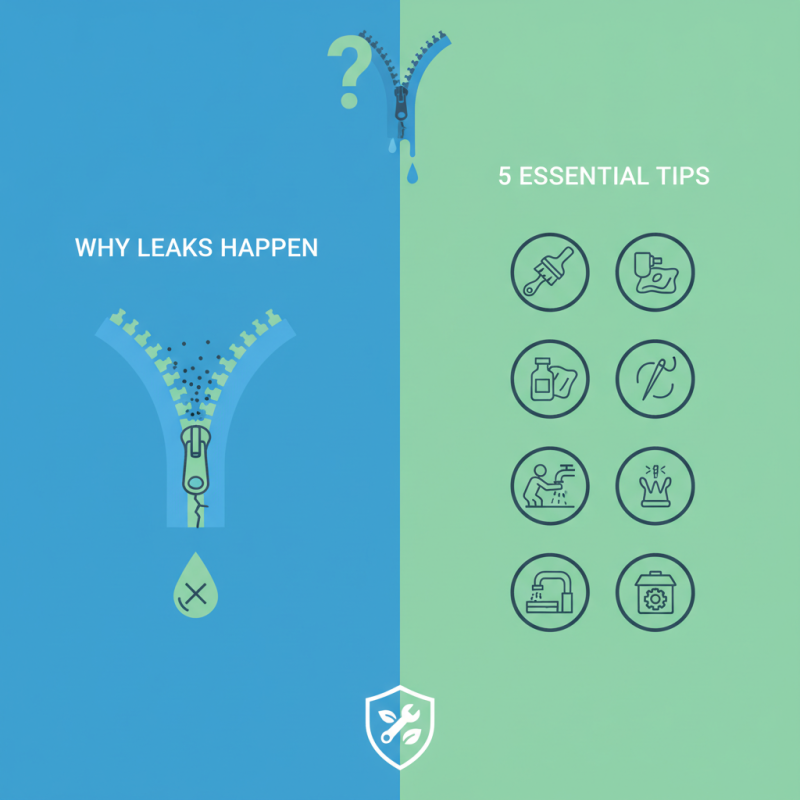
Waterproof zippers are designed to keep moisture out. However, leaks can occur for several reasons. One common issue is dirt and debris buildup along the zipper track. When the slider cannot fully close, water can seep through. Regular cleaning is key. A soft brush can help remove grime that accumulates over time.
Another reason for leaks is the wear and tear of materials. Zippers may become less effective after prolonged use. Friction and exposure to harsh elements take a toll. Inspect your zippers for signs of damage. Small tears in the fabric or the zipper tape can lead to leaks. Sometimes, a simple repair can extend the life of your gear.
Improper sealing during manufacturing can also cause problems. While most manufacturers aim for high-quality products, occasional flaws happen. These issues are often unnoticed until it's too late. Knowing where to check for potential flaws helps. Look closely at the stitching and the alignment of the zipper. Identifying these problems early can save you from a disappointing experience in wet conditions.
When it comes to waterproof zippers, material quality plays a critical role. Fabrics like nylon or polyester can significantly influence how effectively a zipper repels water. High-quality fabrics usually have better waterproof coatings, which enhance zipper performance. Always look for fabrics that are treated with durable water repellents (DWR). These treatments can make a huge difference in keeping moisture at bay.
Here are some essential tips to improve your zipper's performance. First, check for wear and tear. Frayed edges or punctures in the fabric can compromise the waterproof barrier. Second, clean your zipper regularly. Dirt and grime can impede its functionality. Use a soft brush and gentle soap to remove any buildup. Lastly, apply a silicone-based lubricant to the zipper teeth. This helps maintain smooth operation and ensures a tighter seal.
Sometimes, even the best materials can fail. Poor stitching can lead to leaks. Inspect seams regularly to address any potential issues early. Don't forget, not all zippers are equally waterproof. Some are designed for specific applications, and it's essential to choose the right type for your needs.
Waterproof zippers are designed to keep moisture out. However, they can fail over time. To maintain their effectiveness, regular care is essential. Start by keeping the zipper clean. Dirt and debris can accumulate, preventing a proper seal. Use a soft brush to remove particles. A clean zipper increases lifespan and performance.
Lubrication plays a critical role. Applying a suitable water-resistant lubricant can enhance the zipper’s functionality. Be careful not to over-apply, as excess lubricant can attract dirt. Periodically check for signs of wear. If the zipper's teeth show corrosion, it might be time for replacement. This attention to detail can prevent larger issues.
Store your items properly. Avoid folding or putting excessive pressure on the zipper. Use protective cases for delicate items. Reflect on the conditions you expose your zippers to. Harsh environments can shorten their life. Maintaining waterproof zippers requires thoughtfulness and effort, but the payoff is a reliable, functional item.
This chart illustrates the various factors contributing to zipper leakage incidents per 1000 zippers. As shown, improper use and maintenance frequency lead to a higher number of leakage instances, emphasizing the importance of proper care and usage of waterproof zippers.
Waterproof zippers are a crucial component in outdoor gear, yet they can falter over time. According to a report by the Outdoor Industry Association, approximately 30% of outdoor enthusiasts encounter zipper leaks. This issue can arise due to wear, grime, or fabric stress. Addressing these problems early can extend the life of your gear significantly.
One effective solution is lubrication. A silicone-based lubricant can restore the smoothness of the zipper. Just a few drops can prevent future leaks, as moistures are less likely to penetrate. Another option is to inspect the stitching around the zipper. If the stitching shows signs of fraying or gaps, it may allow water to seep through. Reinforcing these areas with waterproof seam tape can be a simple yet effective fix.
Improper zipper alignment is another common issue. Misalignment can cause gaps that allow moisture to enter. Regularly checking and realigning the zipper track may prevent leaks. Lastly, consider cleaning the zipper regularly to remove debris. A simple brush or cloth can clear obstructions. Over time, neglect can lead to bigger issues. Maintaining these small details can greatly improve zipper performance.
: Leaks can occur due to dirt buildup, wear and tear, or manufacturing flaws.
Regularly clean the zipper track using a soft brush to remove grime.
Inspect the zipper for small tears and corrosion on the teeth.
Proper lubrication enhances zipper functionality and prevents moisture from seeping in.
Regularly check and realign the zipper track to prevent gaps.
Look for frayed stitching, gaps, and signs of corrosion on the zipper.
Avoid folding or pressing the zippers; use protective cases when necessary.
Reinforce frayed stitching with waterproof seam tape for an effective fix.
Regular cleaning prevents dirt accumulation and prolongs the zipper’s life.
Neglect can lead to larger issues and decreased performance over time.
If you’ve ever wondered "why does my waterproof zipper leak?", understanding the mechanics behind these zippers is essential. They are designed to provide a barrier against water, but various factors can compromise their effectiveness. Common causes of leaks include wear and tear, poor alignment, and inadequate sealing, which are often rooted in material quality and manufacturing processes.
To maintain waterproof zippers, it is vital to implement best practices such as regular cleaning and lubrication to enhance performance. Additionally, familiarizing yourself with repair techniques can help address leaks effectively. By following these maintenance tips and understanding the influencing factors, you can significantly reduce the likelihood of zipper leakage and prolong the life of your waterproof gear.

Gemify zipper