2026 Best Guide What Happens If You Iron a Nylon Zipper?

Time:2026-09-24 Author:Henry
0%

A wrinkled jacket can make an otherwise simple repair feel urgent. Before pressing fabric near its zipper, ask: what happens if you iron a nylon zipper? Nylon teeth and tape can soften, warp, or melt under excessive heat. A hot iron may also leave shiny marks, flatten the zipper’s shape, or bond nearby fabric to the teeth. Damage can happen quickly, even when the iron touches the zipper briefly.

The risk depends on the garment, zipper construction, iron temperature, and contact time. Check the care label and the iron’s settings before attempting any treatment. If the label allows ironing, use a low setting and keep the iron away from the zipper itself. A pressing cloth adds a layer of protection, but it cannot make direct heat risk-free. Test a hidden area first. Better yet, smooth the fabric around the zipper by hand or use gentle steam from a safe distance, if the care label permits it. Small details matter here: a zipper that looks slightly dull may already be heat-affected, though appearance alone cannot confirm the cause. I have to admit, clothing labels are not always very specific. This guide explains likely outcomes, safer alternatives, and what to do if a zipper has already been exposed to heat.
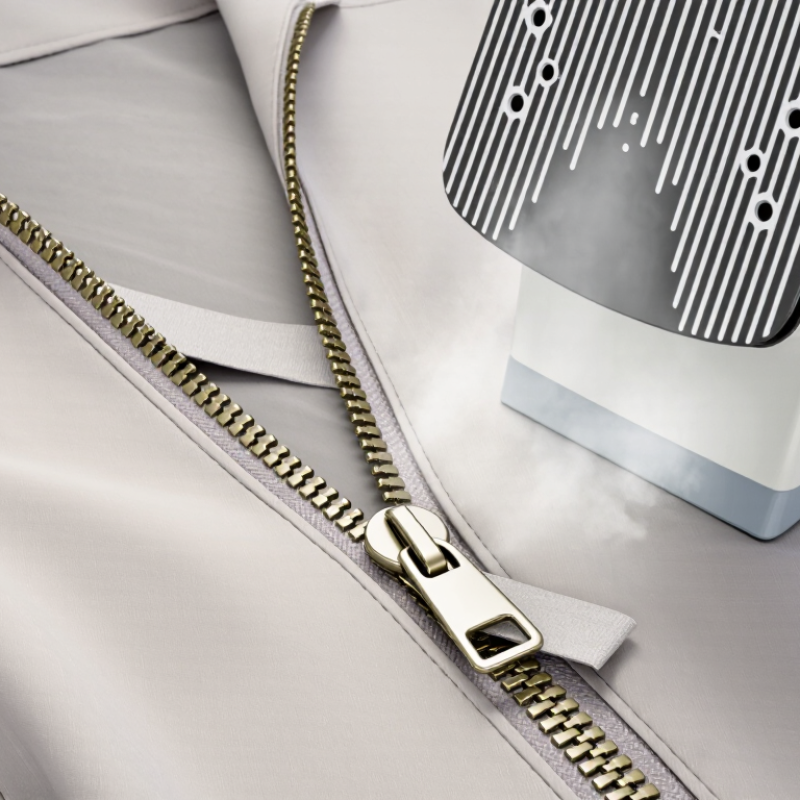
2026 Best Guide What Happens If You Iron a Nylon Zipper?

Nylon Zippers: Materials and Heat Sensitivity

Nylon Zippers: Materials and Heat Sensitivity

Nylon zippers are made from polyamide, a lightweight plastic with good flexibility and abrasion resistance. Their teeth or coils can tolerate normal clothing use, but direct ironing creates a different risk. Nylon softens before it visibly melts. A hot soleplate may flatten the coils, distort the tape, or leave a glossy mark on nearby fabric. The slider can also become stiff if heat changes its alignment.

I used to assume a synthetic-fabric setting was always safe. That assumption needs caution. Iron temperatures vary between appliances, and “low” does not mean harmless. Keep the zipper away from direct contact. Place a thin cotton pressing cloth over the garment, use brief passes, and follow the care label. Test an unseen area first. Better still, iron around the zipper.

Moisture can make the fabric feel safer, but it does not remove the heat hazard. Never pause the iron over one spot. If the zipper already looks wavy, shiny, or partly fused, stop applying heat. A damaged coil rarely returns to its original shape. The small detail matters: the zipper tape may survive while the teeth quietly lose their smooth movement.

How Ironing Affects Nylon Zipper Teeth and Tape

What Happens If You Iron a Nylon Zipper?

Nylon zipper teeth and tape can react differently to heat. Nylon 6 commonly melts near 215–220°C, while nylon 6,6 melts near 255–265°C, according to engineering material data summarized by MatWeb. These figures do not mean ironing is safe at those temperatures. The zipper may soften, shrink, ripple, or lose tooth alignment much earlier.

ISO 3758:2012 places textile ironing symbols at approximately 110°C, 150°C, and 200°C. A low setting is safer, but heat still travels through thin fabric quickly. Direct pressure can flatten the teeth and create a shiny mark on the tape. Steam adds moisture, which may relax nylon fibers and make distortion easier. I have seen a zipper appear normal when warm, then jam after cooling. That delayed change is easy to miss.

Tips: Cover the zipper with a thick cotton cloth. Use the lowest suitable setting, and keep the iron moving. Avoid pressing directly over the teeth. Test a hidden section first. Let the area cool fully before opening the zipper. A heat shield helps, but it is not perfect protection. Check the care label because nylon constructions vary.

What Happens If You Iron a Nylon Zipper?

Temperature references for protecting nylon zipper teeth and tape during ironing.

Nylon can soften, deform, shrink, or become glossy before it reaches its melting point. Use the lowest synthetic-fabric setting, place a pressing cloth between the iron and the zipper, and avoid direct contact with the teeth and tape. Nylon 6 and nylon 6,6 have melting points of approximately 220°C and 260°C, respectively; zipper components may be damaged well below these temperatures.

Warning Signs of Heat Damage to a Nylon Zipper

Warning Signs of Heat Damage to a Nylon Zipper

Nylon can soften under heat, and damage may appear before the fabric looks badly burned. Watch for zipper teeth that seem glossy, flattened, curled, or uneven. A coil zipper may look fused in places. The slider might snag, skip teeth, or stop moving smoothly. Small changes matter.

Check the zipper tape, too. Heat can leave it rippled, stiff, shrunken, or discolored, especially near a seam. You may notice a shiny patch where the iron touched the fabric. Let the garment cool completely before testing the slider; warm nylon can still be soft. Then move it gently. Don’t force it. A jam can pull loose stitches or worsen a weakened coil.

Some signs are subtle. A zipper may still close while its teeth no longer align evenly, so inspect both sides in good light. If you see melted areas or persistent sticking, avoid ironing over the zipper again. Use a pressing cloth and keep the iron away from the teeth and slider. Follow the garment’s care label, since materials and finishes differ. I’ve found that a quick glance can miss damage; a close inspection is worth the extra minute.

Factors That Influence the Risk of Zipper Damage

2026 Best Guide: What Happens If You Iron a Nylon Zipper?

Nylon zippers can soften, flatten, or partially melt under direct heat. The damage often begins with a glossy patch on the coils or zipper tape. A slider may then move unevenly. In severe cases, the teeth lose their shape and the zipper stops closing.

Heat level is the main risk factor, but it is not the only one. A hot iron held still for several seconds can cause damage faster than gentle movement. Pressure also matters. Steam may reduce fabric wrinkles, yet trapped moisture and heat can distort a thin zipper. Older zippers are more vulnerable because sunlight, washing, and repeated pulling weaken the fibers. Dark fabrics may hide early scorching, which makes inspection harder.

Fabric thickness changes the outcome. Heavy cotton can shield a zipper slightly, while lightweight synthetic fabric transfers heat quickly. Use the lowest suitable setting for synthetic materials. Place a dry pressing cloth between the iron and the garment. Keep the iron moving, and avoid pressing directly over the zipper. Check an unseen area first. It helps, but it is not a guarantee. I once assumed a low setting was always safe; contact time proved more important than expected. Let the zipper cool before testing the slider, because warm nylon may seem functional before deforming.

Safer Ways to Press Fabric Near a Nylon Zipper

Nylon zippers can soften, warp, or become shiny when exposed to too much heat. The zipper tape may look sturdy, but it is not the same as the surrounding cotton or linen. Check the garment’s care label before pressing, and test your iron on a hidden area. Small checks matter.

For safer results, unzip the garment and lay it flat on an ironing board. Keep the iron away from the zipper teeth, slider, and tape. Press the fabric beside the zipper with a clean pressing cloth between the iron and the material. Use the lowest heat setting that smooths the fabric, and lift the iron between presses instead of dragging it across the seam. A little patience helps.

For stubborn wrinkles, try gentle steam from a short distance, if the care label allows it. Do not hold the iron over one spot. Let the area cool before moving or fastening the zipper; warm nylon can shift more easily than expected. I have found that the last wrinkle near the seam can be annoyingly persistent. If it does not flatten safely, leaving a faint crease is better than risking a damaged zipper.

2026 Best Guide: What Happens If You Iron a Nylon Zipper? — Safer Ways to Press Fabric Near a Nylon Zipper

Nylon can soften or deform under excessive heat. Always check the garment care label first; the garment’s instructions take priority over general guidance.

Situation What may happen Safer approach Practical guidance
Iron touches nylon zipper teeth or coil Heat may soften, flatten, warp, or fuse parts of the zipper, making it difficult to slide or close. Keep the iron off the zipper. Press the fabric beside it instead. Do not use the zipper as a surface to press against, and do not assume a low setting makes direct contact safe.
Iron touches zipper tape The tape may shrink, ripple, stiffen, or become misshapen. Heat can also affect nearby stitching or fabric. Place a clean pressing cloth over the fabric and work around the zipper tape. Use brief, gentle presses rather than dragging the iron across the zipper area.
Wrinkles are close to the zipper Direct pressure can imprint the zipper shape onto the garment or distort the surrounding fabric. Open the garment, lay the fabric flat, and press from the wrong side where practical. Keep the iron’s soleplate a small distance from the teeth or coil; smooth the fabric by hand as you press.
Care label permits ironing Permitted heat varies by garment fabric, lining, coatings, and zipper construction. Follow the label’s iron symbol and temperature guidance, using a pressing cloth as an added precaution. Test on a hidden area first. Stop if the fabric changes texture, shine, or shape.
Care label says “do not iron” or is unclear Ironing may damage heat-sensitive fabric, finishes, or components even if the zipper is avoided. Use a garment steamer cautiously from a distance, or hang the item in a steamy bathroom. Keep steam away from delicate trims and follow the garment’s care instructions. When uncertain, ask a qualified cleaner.
Need to smooth a small area beside the zipper Repeated heat or pressure may leave a permanent mark or change the fabric’s finish. Use the lowest effective setting allowed by the care label, a pressing cloth, and short presses. Let the area cool before moving or closing the zipper; avoid pulling on warm, softened components.

FAQS

Can ironing damage a nylon zipper?

Yes. Heat can soften, flatten, shrink, or distort the teeth and tape. Damage may begin before the nylon melts. Heat travels fast.

What signs show that heat has damaged the zipper?

Look for glossy patches, rippled tape, flattened teeth, or uneven slider movement. Dark fabric may hide early scorching. Inspect carefully.

Is a low iron setting always safe for nylon zippers?

No. A low setting reduces risk, but contact time still matters. Holding the iron still for several seconds can cause damage. I once assumed low heat was always safe.

Should I iron directly over the zipper teeth?

Avoid direct contact. Cover the zipper with a thick, dry cotton pressing cloth. Keep the iron moving across the fabric.

Does steam increase the risk of zipper distortion?

It can. Heat and moisture may relax nylon fibers and encourage rippling. Thin fabric can transfer both quickly. Steam is not harmless.

What temperature range can affect different nylon types?

Some nylon types melt near 215–220°C, while others melt near 255–265°C. Ironing damage may appear much earlier. Melting points are not safe ironing limits.

How should I test a garment before ironing near its zipper?

Test an unseen fabric area first. Use the lowest suitable setting for synthetic fabric. Check the zipper after the area cools completely.

Why should I let the zipper cool before opening it?

Warm nylon may look functional while remaining temporarily soft. Cooling can reveal misalignment or jamming. Let it cool fully. Then move the slider gently.

Conclusion

This guide explains what happens if you iron a nylon zipper and why direct heat can be risky. Nylon zipper teeth and tape are made from heat-sensitive materials that may soften, warp, shrink, or lose their shape when exposed to a hot iron. Damage can make the zipper difficult to fasten, cause it to snag, or affect how neatly it lies against the fabric. Warning signs include misshapen teeth, rippling tape, a shiny or hardened surface, and changes in the zipper’s movement.

The likelihood of damage depends on factors such as the iron’s temperature, how long it touches the zipper, the fabric thickness, and whether steam is used. To press fabric near a nylon zipper more safely, use a low heat setting suitable for the garment, keep the iron away from the zipper itself, and press from the reverse side when possible. A pressing cloth can provide extra protection, while short, gentle presses help reduce heat exposure. Always check the garment’s care instructions and let the area cool before testing the zipper.

Henry

Henry

Henry is a dedicated marketing professional with a profound expertise in the company's offerings. With years of experience in the industry, he possesses an impressive understanding of the market dynamics and consumer behaviors that drive success. Henry is committed to sharing his insights through......