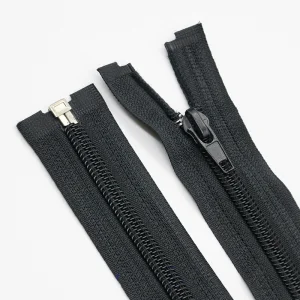
Explore our top-performing metallic and high-strength fasteners, custom-engineered for heavy apparel, logistics, and high-salinity maritime applications along the Namibian coast.
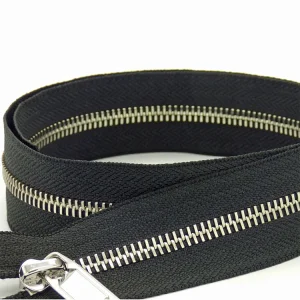
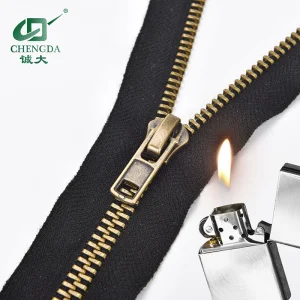
Namibia is rapidly positioning itself as a robust industrial hub within the Southern African Development Community (SADC). With heavy investments in infrastructure, particularly the expansion of the Walvis Bay port and the growth of the Trans-Kalahari corridor, local manufacturing and logistics require highly durable components. Among these, industrial fasteners, specifically aluminum zippers, play a critical yet often overlooked role in stabilizing the supply chains of various Namibian sectors.
Aluminum zippers represent the peak of modern fastening engineering, offering a unique blend of structural strength and low weight. In Namibia’s rugged environments—ranging from the arid dunes of the Namib Desert to the high-salinity coastal regions of Swakopmund and Lüderitz—standard brass or steel zippers can fall short. Environmental corrosion, dust intrusion, and thermal expansion are common points of failure for low-grade hardware. High-quality aluminum alloy zippers are designed to bypass these limitations through specialized metallurgical formulations that resist oxidation and maintain operational smoothness under harsh conditions.
Furthermore, Namibia’s expanding mining sector, ecotourism safari camps, and textile manufacturing operations demand hardware that meets strict international standards. Whether it's canvas gear for luxury desert lodges or protective, flame-retardant wear for uranium mine workers, the necessity for robust, dependable fastening elements is critical to worker safety and product longevity.
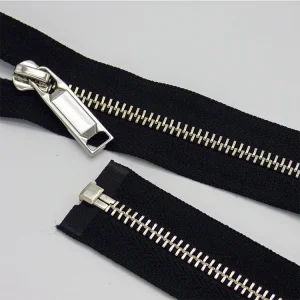
When selecting fasteners for heavy-duty applications, material science dictates operational lifetime. Aluminum zippers are fabricated using high-grade, lightweight aluminum alloys (typically alloyed with silicon, magnesium, or titanium). Understanding why aluminum outperforms standard brass or plastic coils requires looking at its mechanical and chemical properties:
| Performance Metric | Aluminum Alloy Zippers | Traditional Brass Zippers | Nylon / Plastic Coils |
|---|---|---|---|
| Weight / Density | Extremely lightweight (~2.7 g/cm³). Low load on fabrics. | Heavy (~8.4 g/cm³). Adds weight to garments. | Lightweight (~1.2 g/cm³), but lacks metal rigidity. |
| Corrosion Resistance | High. Generates a natural passivation layer of $Al_2O_3$. | Moderate. Subject to green oxidation in marine air. | Immune to chemical corrosion, but degrades under UV. |
| Tensile Strength | Excellent. Resists teeth separation under high shear force. | Very high, but heavy weight mitigates advantage. | Low to moderate. Teeth slip under structural load. |
| Thermal Range | Stable from -60°C to 180°C. High heat resistance. | Excellent thermal stability, but conducts excessive heat. | Melts or warps under elevated temperatures. |
| Eco-Recyclability | 100% recyclable without quality loss. Low carbon footprint. | Recyclable, but processing consumes high energy. | Difficult to recycle; non-biodegradable synthetic polymers. |
The self-healing oxide film of aluminum alloys makes these zippers particularly suitable for coastal Namibia. In humid and saline port zones like Walvis Bay, brass zipper teeth are prone to developing copper carbonate (green rust), which locks the slider in place. Aluminum avoids this entirely, preserving its micro-finish and ensuring smooth sliding action for heavy shipping bags, marine canvas covers, and logistics freight wraps.
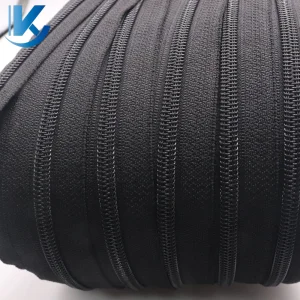
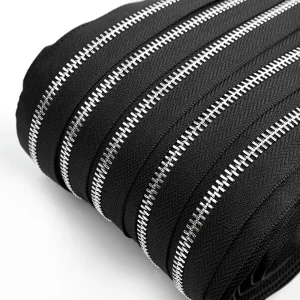
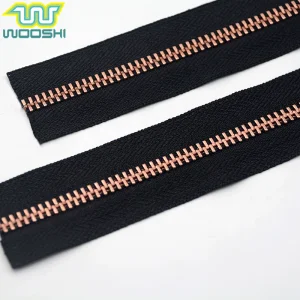
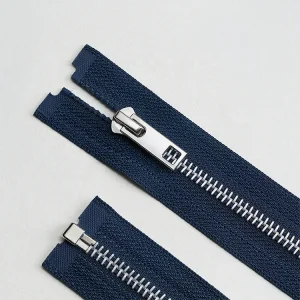
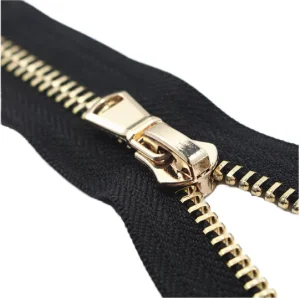
These long-chain metal and aluminum zippers offer customization in length and tape strength, ideal for commercial manufacturing, packaging, and custom industrial applications.
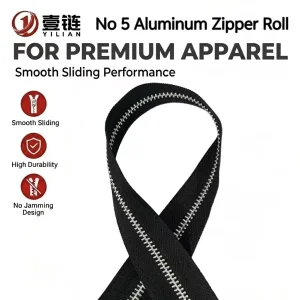
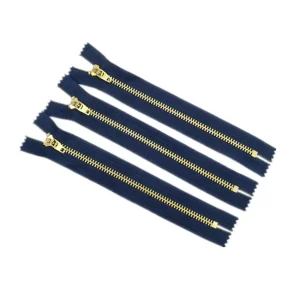
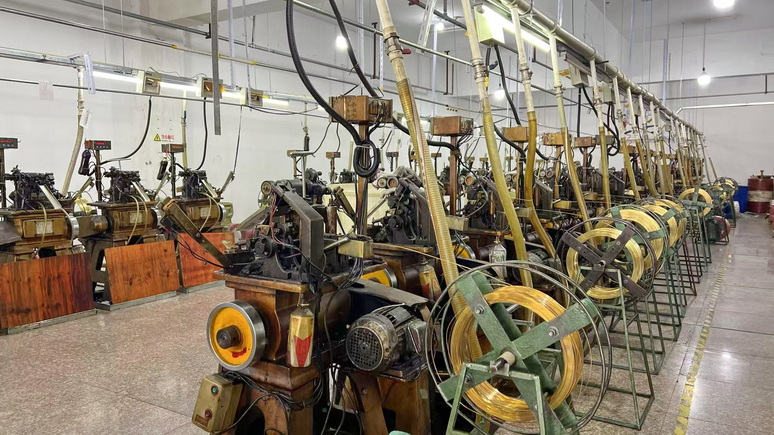
In the global procurement space, consistency, scale, and cost-efficiency are what separate standard factories from strategic partners. As a leading manufacturer in China with 25+ years of dedicated history, Zhengzhou Gemify Zipper Co., Ltd. leverages state-of-the-art Industry 4.0 automation to secure supply chains for international markets, including Namibia and the broader Southern African region.
Our manufacturing integration ensures that every phase of production—from the high-speed shuttleless weaving of polyester zipper webbing tape, through high-precision die-casting of aluminum sliders, to final optical inspection—is digitally tracked. Industry 4.0 smart manufacturing allows us to achieve micro-millimeter tolerance levels ($<0.02\text{ mm}$) during zipper teeth alignment. This level of precision translates directly to field reliability: zippers that never catch, tape that doesn't fray, and sliders that function smoothly over thousands of cycles.
For Namibian buyers, this automated efficiency translates into key sourcing advantages: lower per-unit costs, rapid mass production capacity (exceeding millions of units monthly), and highly reliable lead times. Additionally, because our manufacturing pipeline integrates testing protocols in accordance with Intertek (ITS) and OEKO-TEX Standard 100, buyers receive verified, eco-safe hardware ready for export to strict markets like the European Union and the United States under the African Growth and Opportunity Act (AGOA).
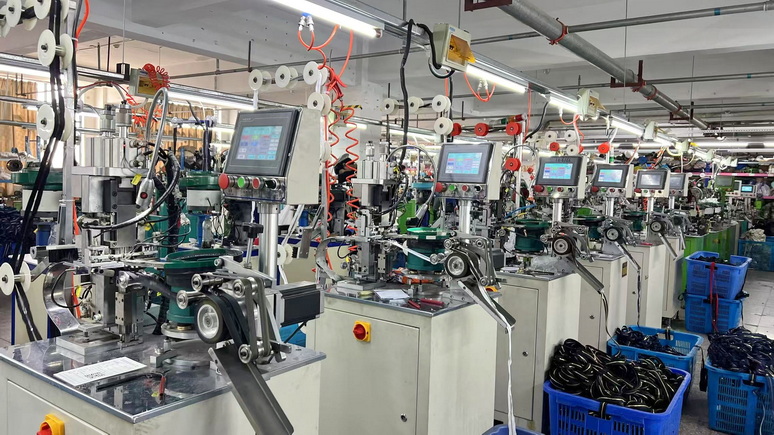
Take an inside look at our integrated production line. From raw polyester yarn weaving to the finished, packed metal zippers, we control every single process stage in-house to guarantee quality and longevity.
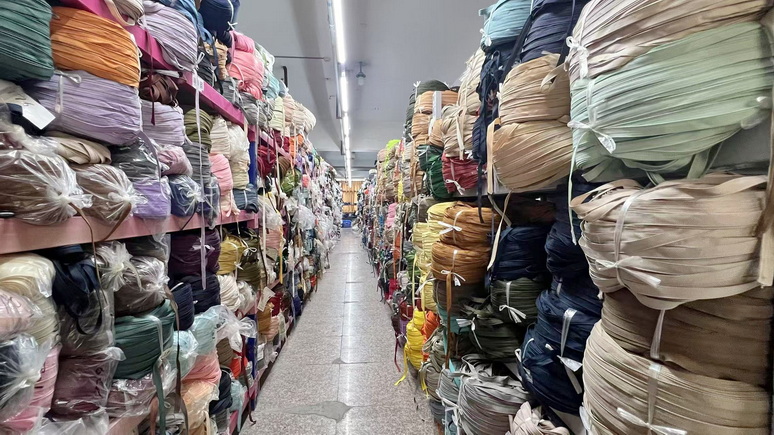
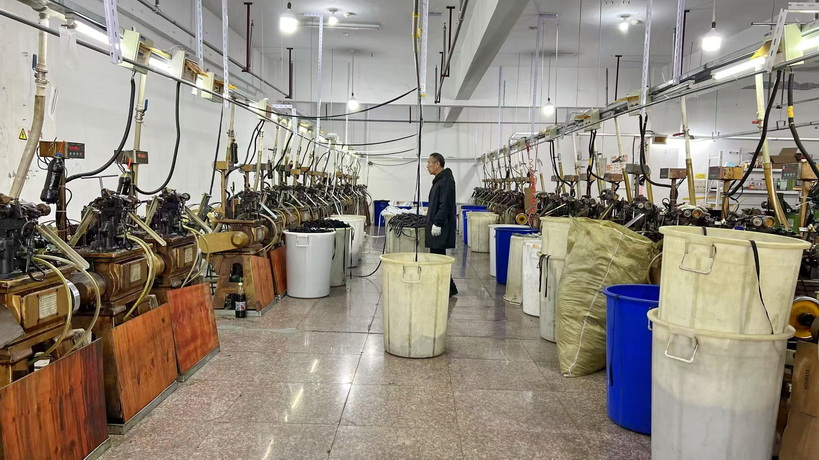
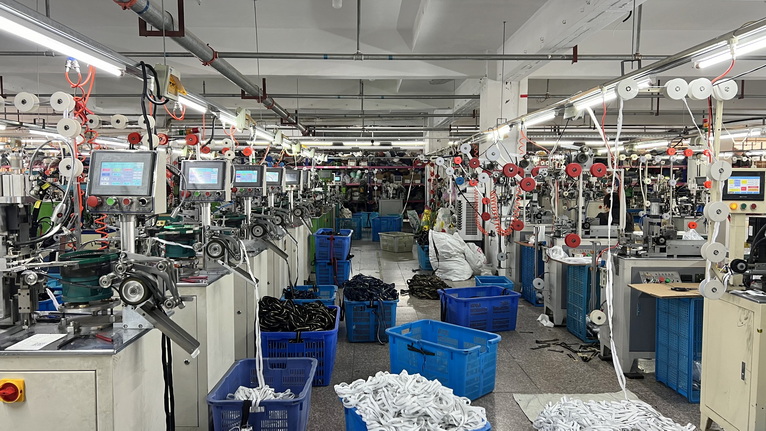
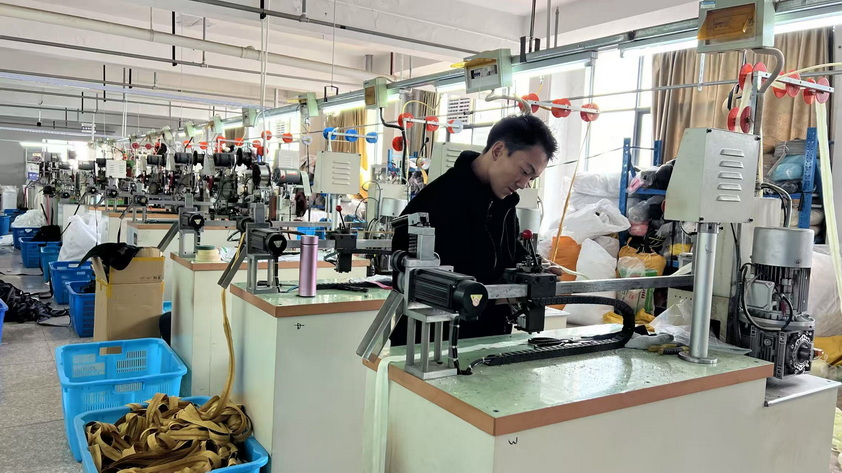
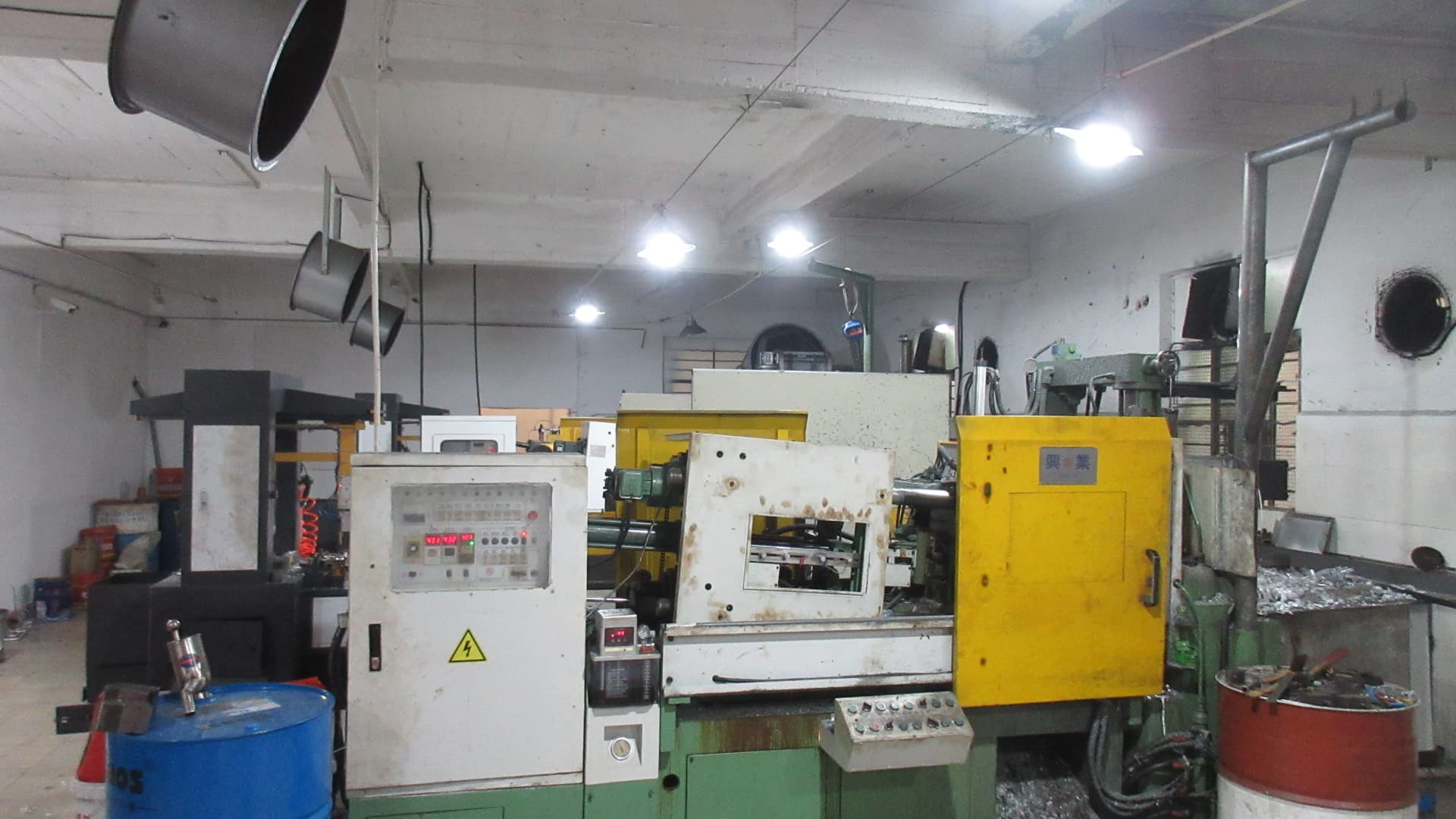
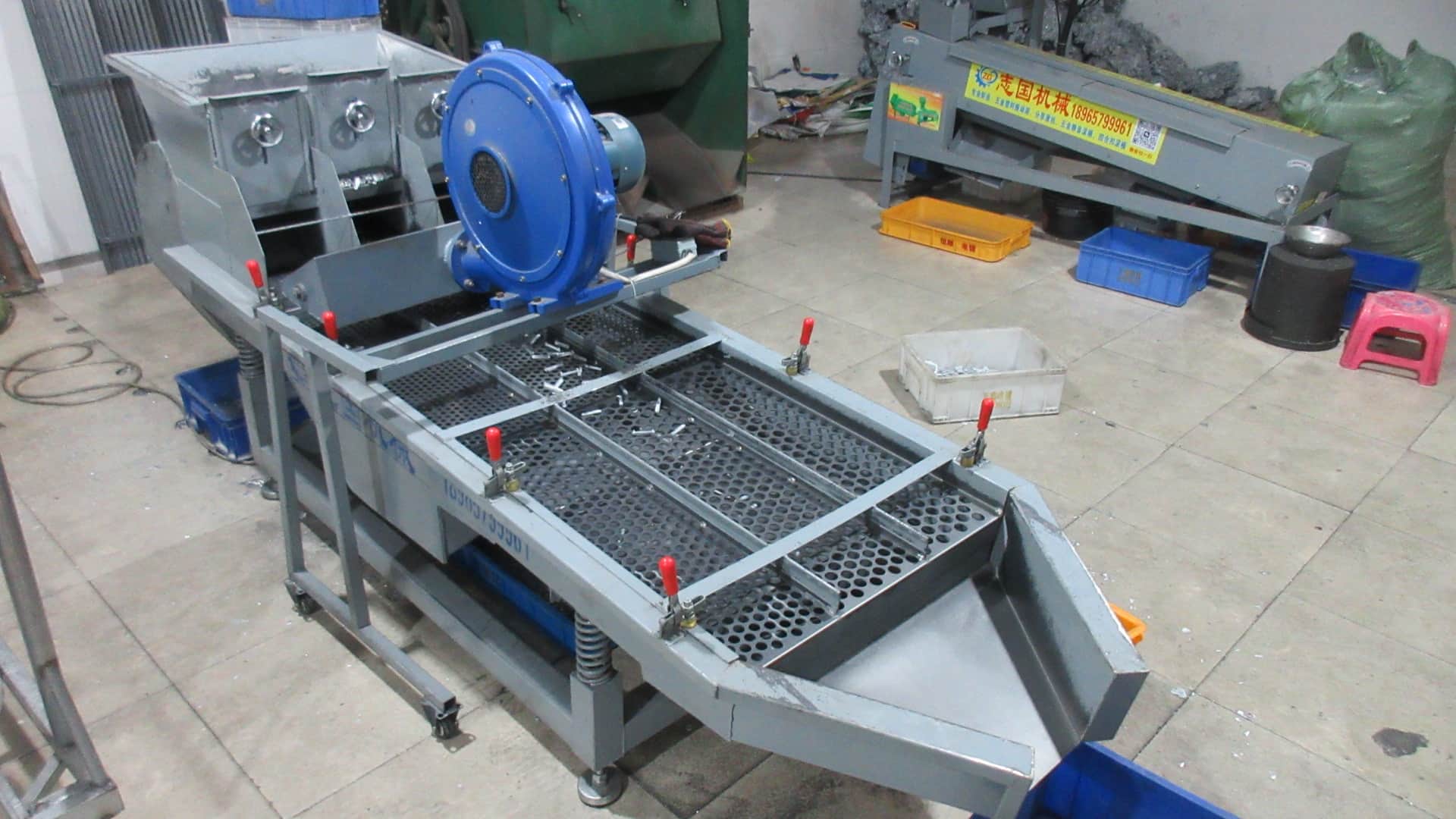
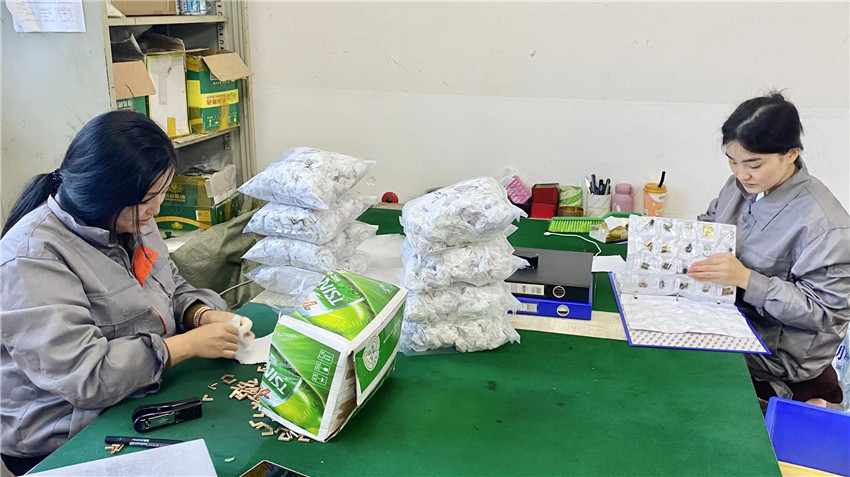
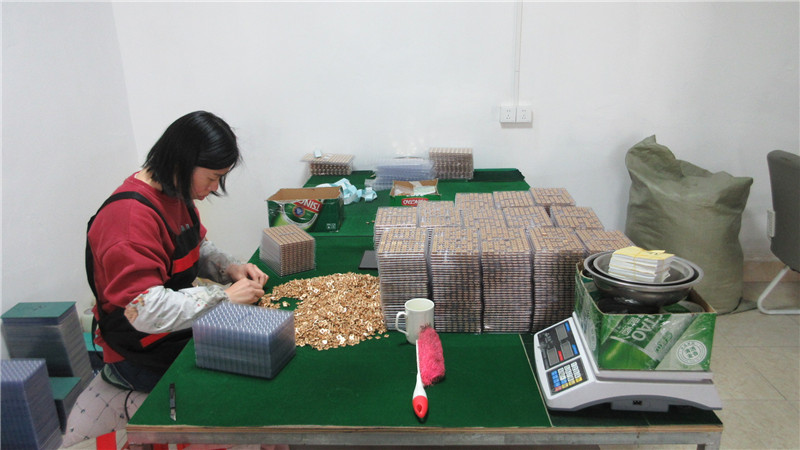
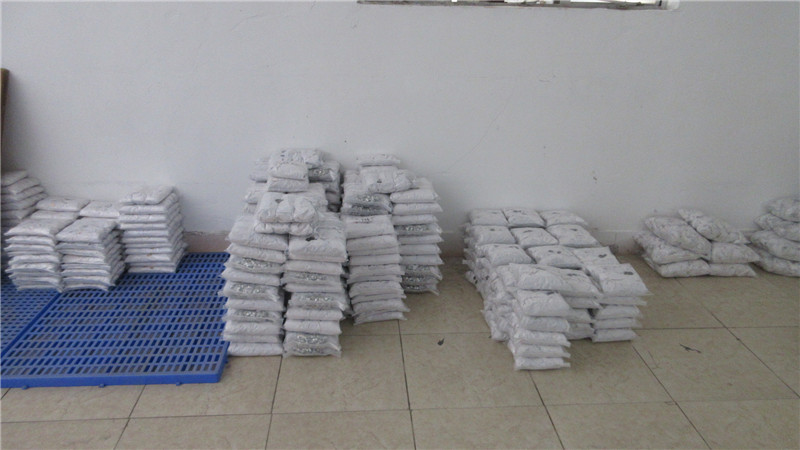
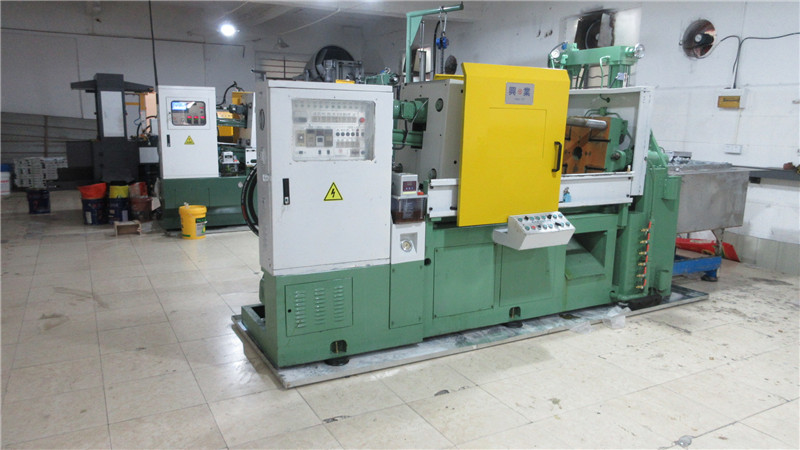
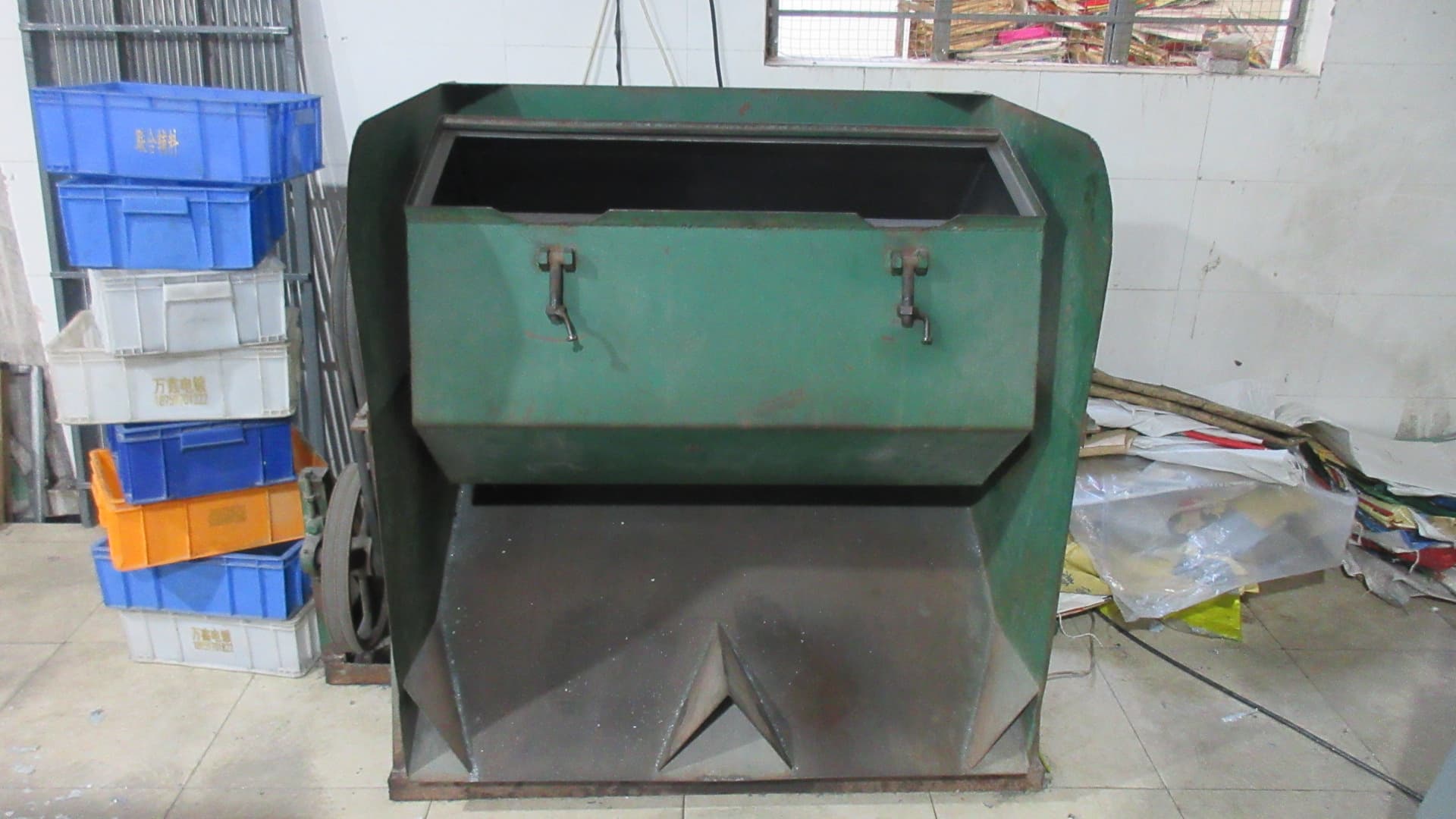
Our aluminum and metal zippers are custom engineered to meet the unique demands of key industries across Windhoek, Walvis Bay, Swakopmund, and regional mining operations.
Namibia is a global powerhouse for diamonds, uranium, and base metals. Mining overalls and fireproof suits demand non-corrosive, heavy-duty zippers that can withstand abrasive dust, constant physical friction, and thermal cleaning cycles. Our fireproof and auto-lock metal zippers ensure worker protection in demanding environments.
The Namibian travel sector depends heavily on high-end ecotourism and desert camping lodges. Heavy-gauge aluminum and titanium-alloy zipper rolls are essential components for safari canvas tents, vehicle roof racks, backpacks, and sleeping bags. They must resist degradation from intense UV exposure and desert sand infiltration.
Operating along the Atlantic coast, the fisheries of Walvis Bay and Lüderitz require protective apparel that stands up to seawater, brine, and humidity. Aluminum zippers generate a natural surface oxide layer that prevents salt-water rust, ensuring continuous operation on marine jackets, gear bags, and fish processing plant uniforms.
Sourcing hardware from overseas shouldn't be a source of supply chain friction. At Zhengzhou Gemify Zipper Co., Ltd., we have spent decades refining our export logistics, ensuring that orders bound for Southern Africa arrive securely and on schedule.
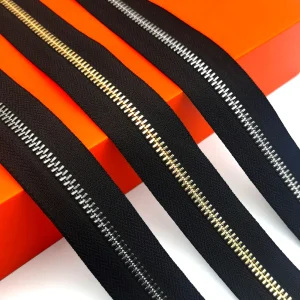
We manage the entire supply chain cycle. From customizing zipper teeth plating (such as rose gold, matte black, or classic silver) to selecting specific high-tensile polyester tapes, we match your design blueprints exactly.
Our direct shipping channels to the Port of Walvis Bay offer a reliable, cost-effective shipping route for bulk orders, bypassing landlocked logistics delays. For immediate projects, we maintain extensive raw material inventory to minimize manufacturing lead times, offering prompt, transparent delivery schedules.
Contact our technical sales team for free product samples, custom design configurations, and transparent bulk pricing options tailored for Namibia and SADC industrial hubs.
Send Inquiry NowFind answers to typical procurement questions regarding import tariffs, testing standards, design customization, and shipping options from China to Namibia.
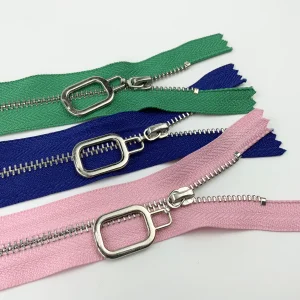
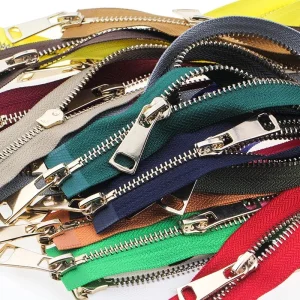
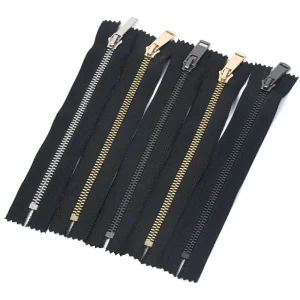
Browse our extensive selection of close-end auto lock zippers, colorful slider variants, and high-tensile alloy long chains designed to meet demanding industrial and commercial specifications.
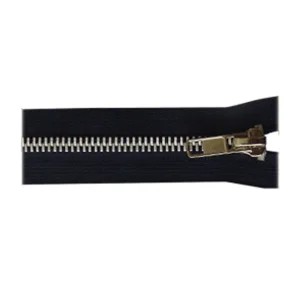
 Gemify zipper